Tees Valley Creative Takeover Reflections.
It is a powerful experience when you have creative people in the same room.
This is not because everybody is doing the same thing.
But because everyone is doing different things.
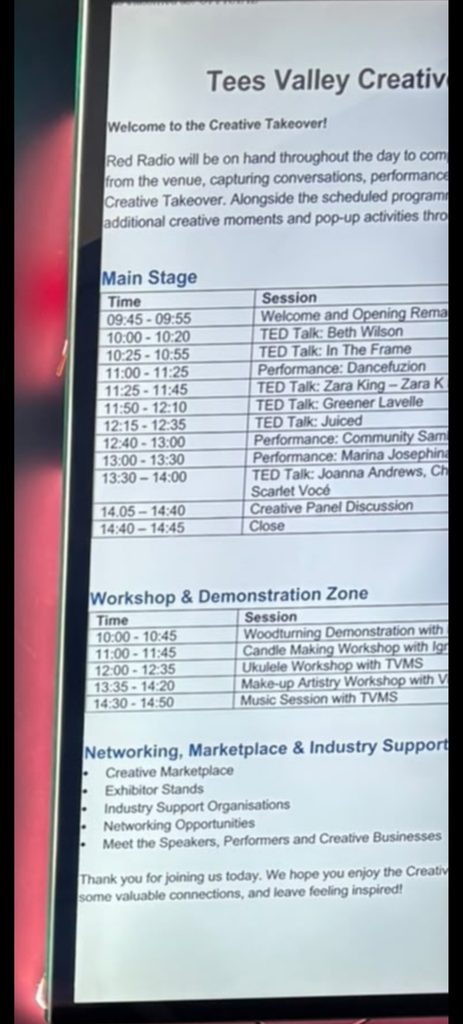
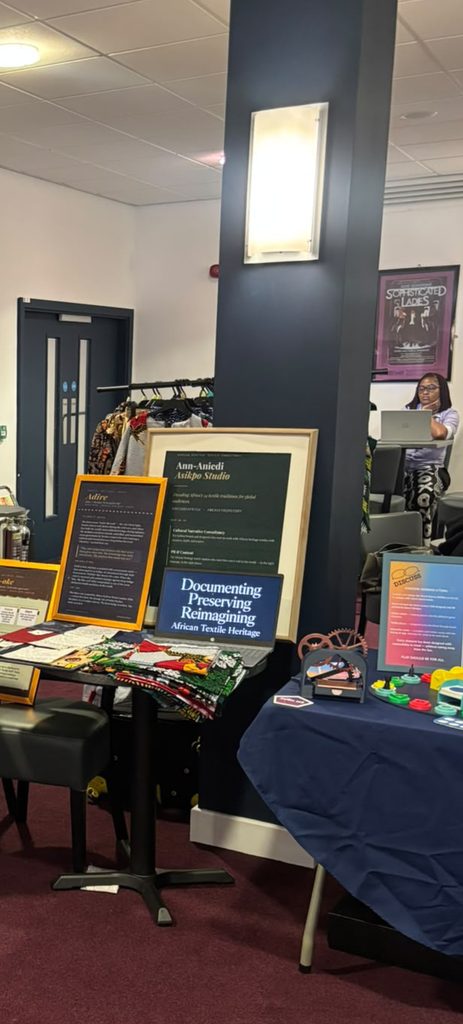
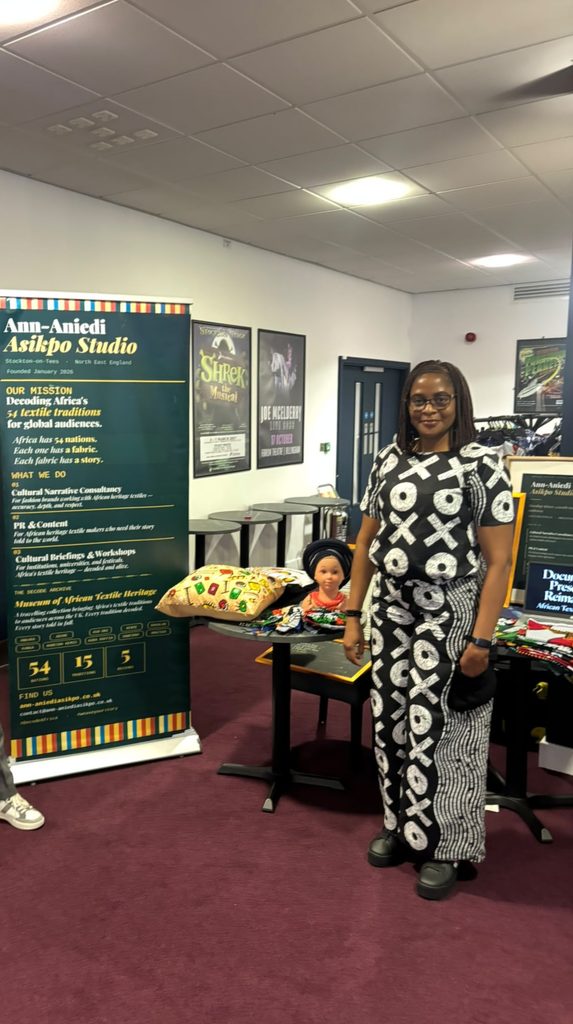
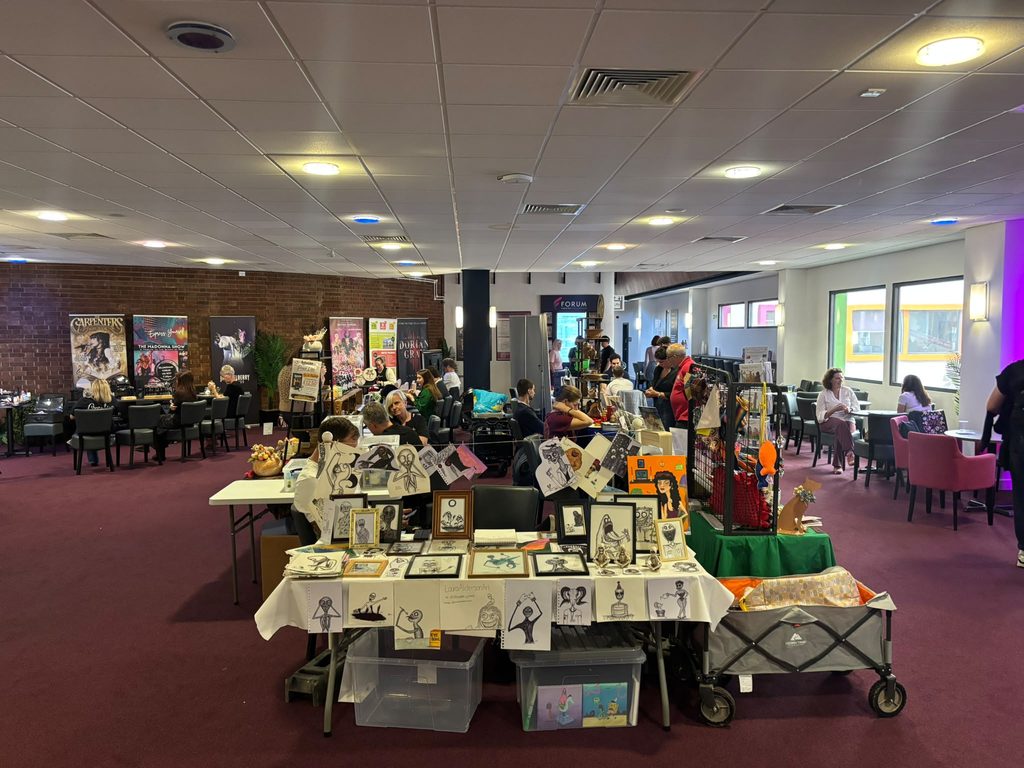
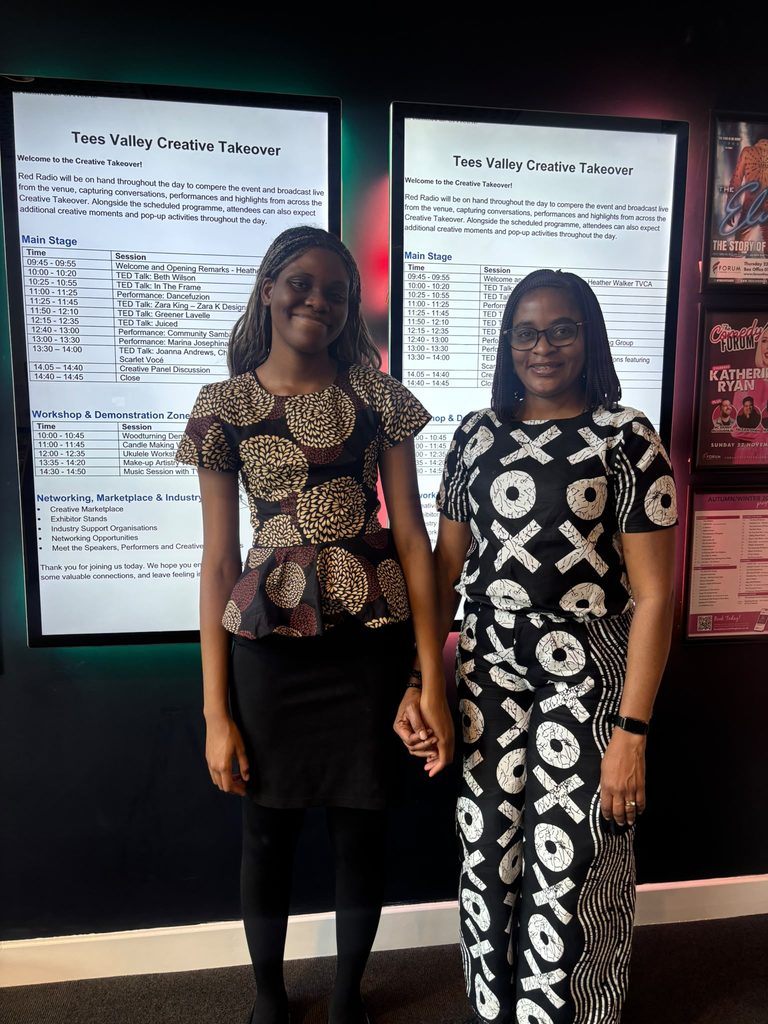
Last Wednesday, I was opportune to attend the Tees Valley Creative Takeover which was held at the Forum Theatre in Billingham this event brought together creatives, makers, artist, designers. Performers and creative businesses to explore their next step within the creative economy. The line-up for the programme includes talks, performances, workshops, demonstrations, networking, and a creative marketplace and provision of business support.
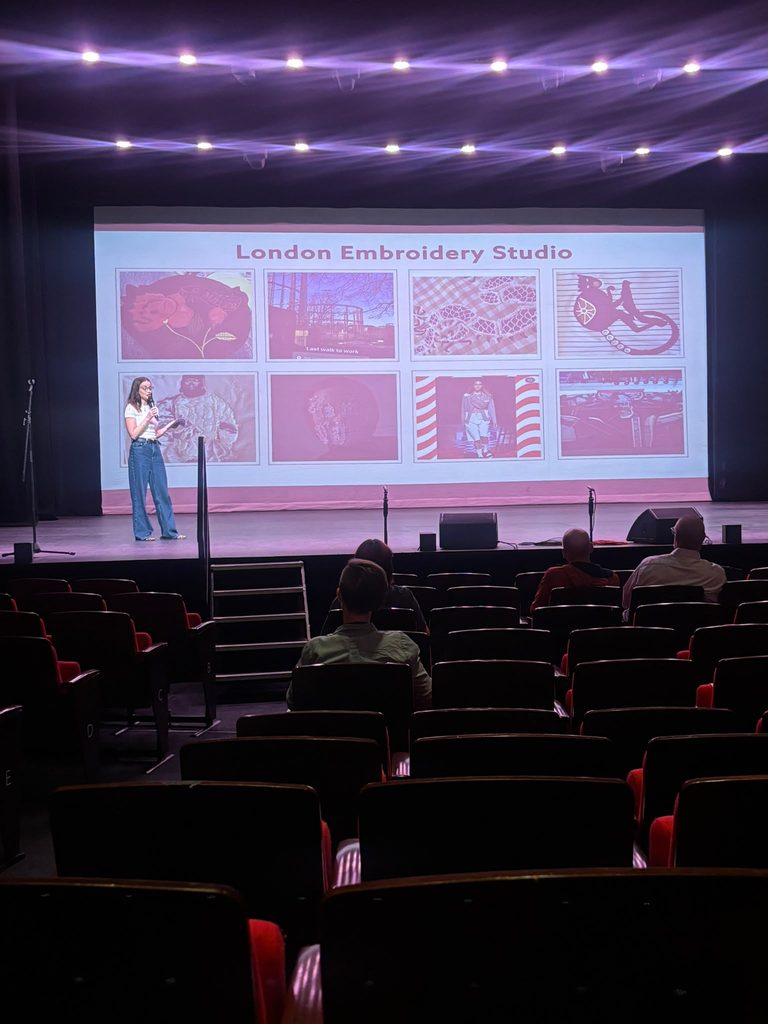
I attended to learn.
I also needed to network and make connections.
And most importantly, I wanted to understand where my own creative practice could sit within the wider creative landscape of Tees Valley.
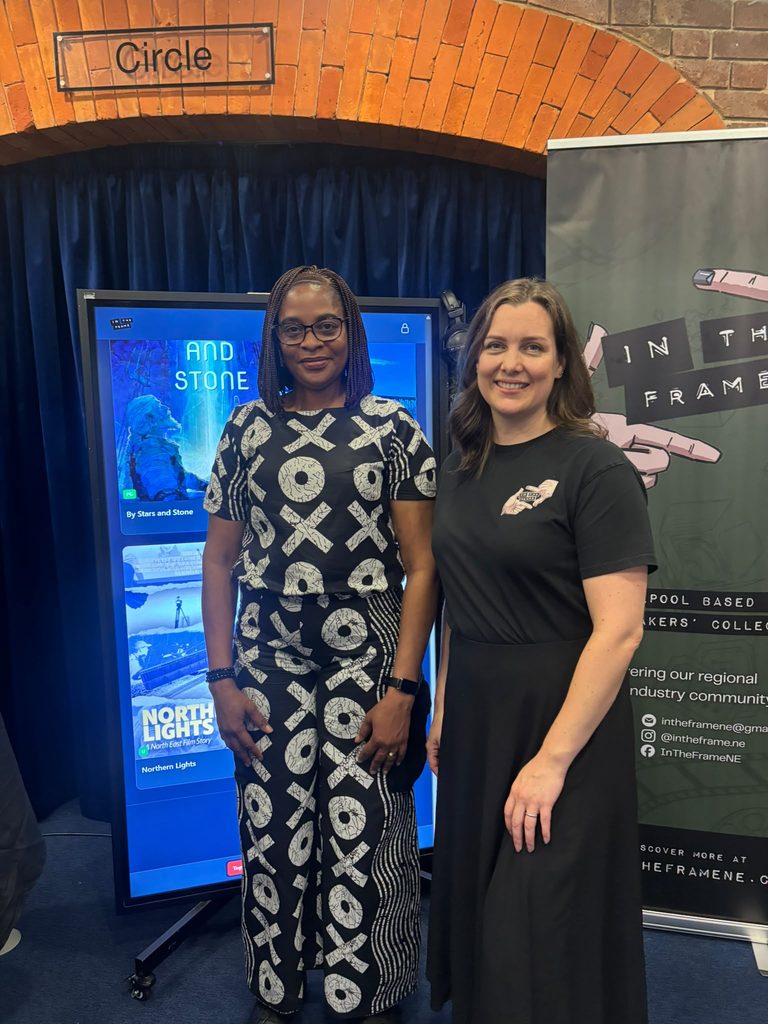
As I left, I thought of the connections I had made.
Creativity needs community
Most of the time we talk about creativity as if it’s an individual act.
The designer at the desk.
The artist in the studio.
The maker behind the sewing machine.
The writer with a notebook.
The entrepreneur building a business from an idea.
But creative work rarely develops in isolation.
It’s people-dependent.
It also needs conversations.
It needs people who can open doors, introduce possibilities, challenge ideas, and sometimes just simply say;
“Have you thought about this idea?”
That was one of my biggest reflections from the Creative Takeover.
This event brought different types of creatives together, at different stages of their creative journey. They were some established; others were still developing and finding their and experimenting with ideas or finding their place in the sector.
And having this mixture matters.
This is important because sometimes the person you need to meet may not be doing exactly what you do.
You might see a connection with someone working in a completely different discipline you had not considered.
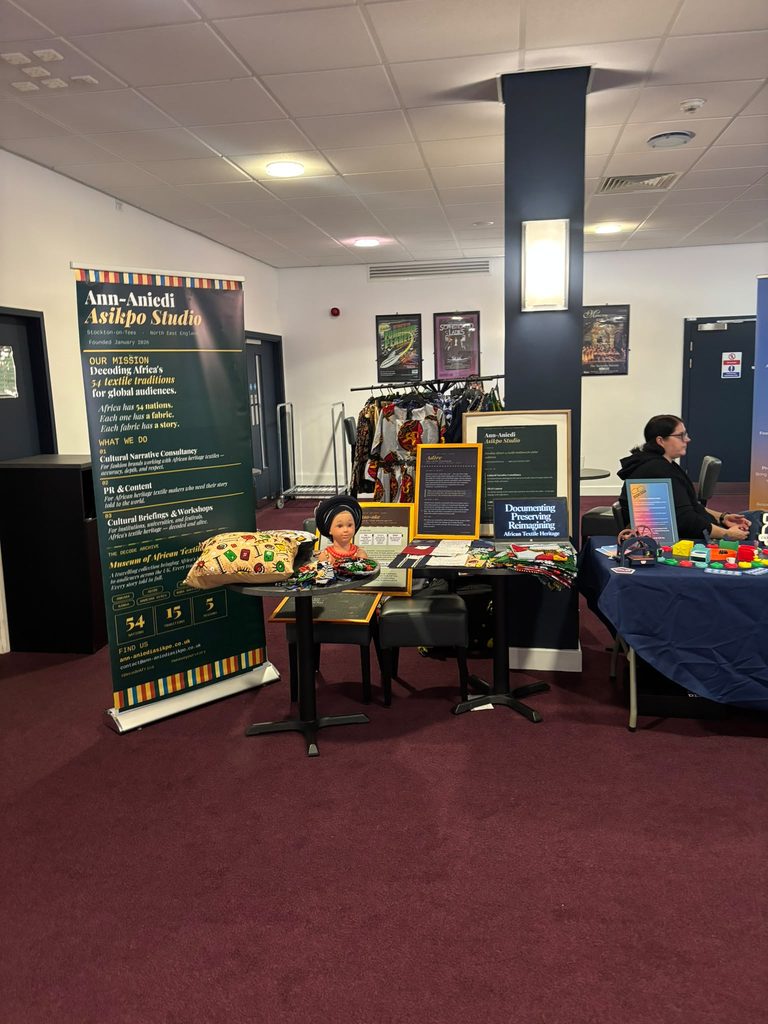
Moving from African textiles to contemporary creative practice.
Throughout my creative journey I have always been closely connected to textiles.
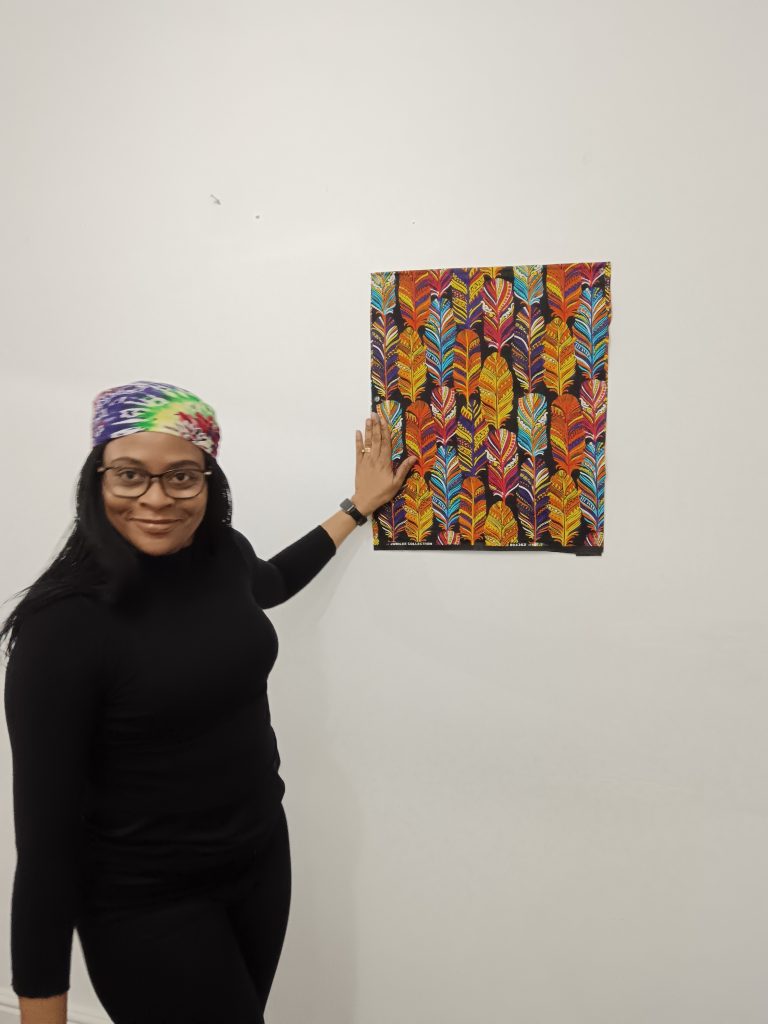
I have been working with African fabric , and it has become my creative language for many years now.
My work has developed beyond simply making dresses.
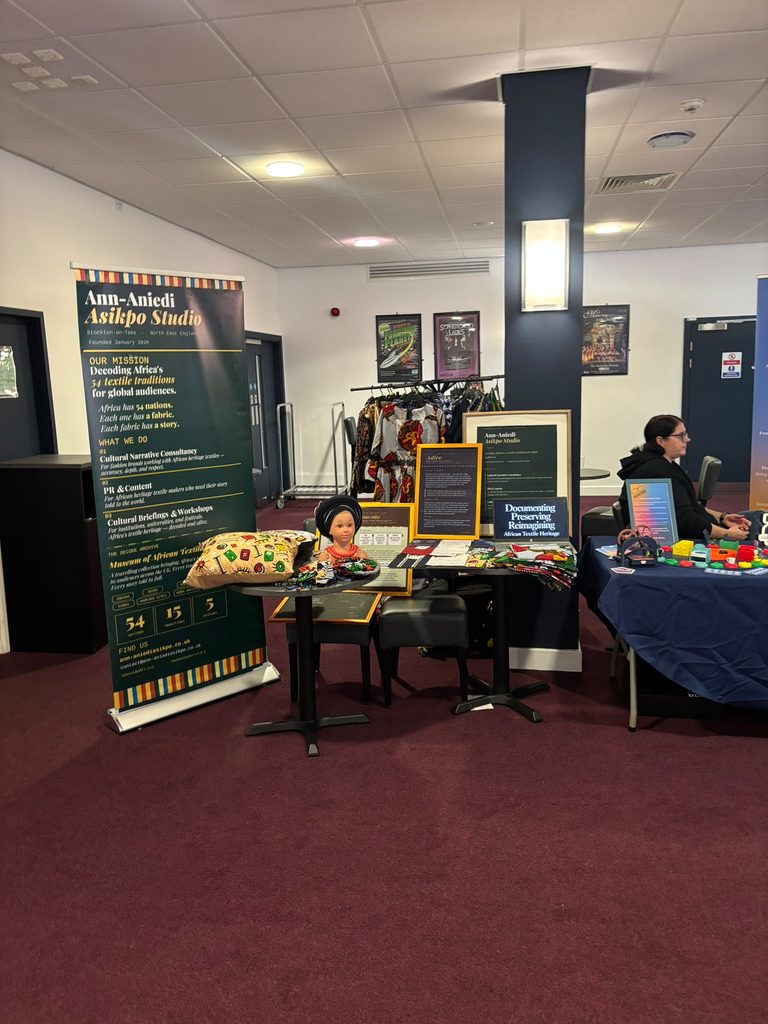
I am using Ann-Aniedi Asikpo studio and Decode Africa to explore what happens when we make textile the starting point of our conversations regarding culture, identity, heritage, documentation and preservation of contemporary creativity.
This has given me the reason to constantly use the words such as :
Documenting.
Preserving.
Reimagining.
I believe when we talk about documentation, it is not all bout recording something that has existed before, rather it can become:
Part of preservation.
Also, when we leave something untouch.it does not necessarily means that we are preserving it.
Preservation can sometimes means exploring new ways for people to experience heritage. Sometimes preservation can mean finding new ways for people to encounter heritage.
New audiences.
New stories.
New creative interpretations.
New forms.
Why showing up matters? The importance of showing up
I had learnt some simple lesson from this event and it’s also very important.
Just showing up. Show up.
We all find it a lot easier to sit at home and have our ideas developed until it becomes perfect. And fit into what we want.It is easy to stay at home developing an idea until we believe it is perfect.
We create the perfect website. The perfect website.
We create the perfect collection. The perfect collection.
We write the perfect business plan. The perfect business plan.
We find the right exhibition to attend. The perfect exhibition.
Then wait for the right moment. The perfect moment.
Mine when it creativity does not wait for opportunity to be perfect.
It often starts with a conversation. They begin with a conversation.
May be as we exchange names. A name exchanged.
It could just be asking a simple question.
Meeting someone that is seeing your work for the first time. A person seeing your work for the first time.
Having a conversation that could lead to another conversation
A conversation that leads to another conversation.
For me networking is more than simply exchanging cards.That is why networking, for me, is not simply about collecting contacts.
It is more about building relationships with ideas .It is about building relationships around ideas.
Building a creative ecosystem matters a lot. Creative ecosystems matter
Also, The Creative Takeover reminds me that to be creatively developed needs more than an individual effort. The Creative Takeover also reminded me that creative development requires more than individual ambition.
Every creative person needs an access to a lot of things including ;Creative people need access to:
Networking networks
Business support development business support
Space to showcase their work.
Audiences to thrive on
People to collaborate with.
Access to mentorship programme.
Funding and development opportunities for every creative.
Opportunities to experiment.
This event programme combines creative activity with networking and practical business support, demonstrating that creativity and enterprise development work side by side. The event’s programme deliberately combined creative activity with networking and practical business support, reflecting the fact that creative development and enterprise development often sit alongside one another.
This is an important combination.
Sometimes someone with creativity may have a unique idea but lacks the knowledge of how to develop it into sustainable practice. A creative person may have an extraordinary idea but not know how to develop it into a sustainable practice.
Someone may have a business idea but do not have a collaborator.
Another may have this cultural knowledge, story, or heritage but do not have the platform.
With the right connections, those pieces can come together.
What is next?
I left the Creative Takeover with Photographs, new contacts and a lot to think about.
I also went home with questions.
How can creative businesses build long-lasting connections across disciplines?
How can cultural heritage grow into contemporary creative business without losing the stories that give it meaning?
How do we create opportunities so that younger generations can experience it? How can we create opportunities for younger generations to encounter heritage in ways that feel relevant to them?
How do we make the documentation become an effective part of preservation?
I want to continue to ask these questions as I explore this through my creative practice.
I use Decode Africa as a space for exploration.
This is a space where I can document, preserve, and reimagine African textile heritage through contemporary practices.
As I attended The Creative Takeover, I was reminded that ideas grow when shared.
Maybe for real, the value of a creative event is not only about what happens on the stage.
Sometimes it is what happens after you start a conversation.
Documenting. Preserving. Reimagining African Textile Heritage.
And keep creating without stopping.