Ann-Aniedi Asikpo — Nigerian creative practitioner, multimedia PR strategist, maker
I want to tell you about the moment I understood what I was building.
Not the moment I registered the company. Not the moment I finished my MA. Not even the moment I moved to a country I had never lived in before.
The moment I actually understood what I was building came when I was sitting at my desk in Stockton-on-Tees, holding a piece of Ankara fabric, and realising that the person across from me a kind, curious English woman who genuinely loved the fabric had no idea what she was holding.
She could see its beauty. She could not read what it was saying.
And I thought: this is the work. This is exactly the work.
Where I come from
I am Nigerian. I grew up around fabric.
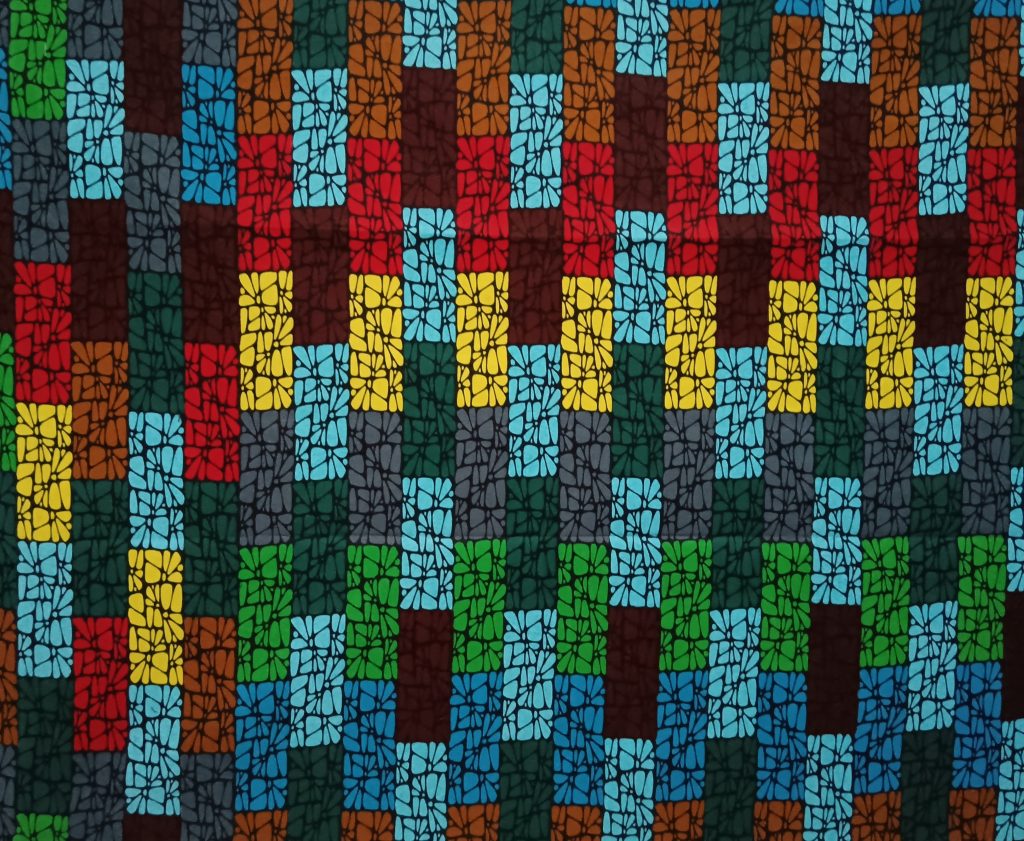
Not around fashion, exactly though that came later but around the specific knowledge of fabric that exists in Nigerian communities where what you wear to a naming ceremony is a different conversation from what you wear to a funeral, and both are different from what you wear to a chieftaincy celebration. Where the choice of Ankara is not an aesthetic decision but a cultural statement, understood by everyone present without a word being spoken.
I learned to make clothes by watching. There was a woman I have written about her who worked on the floor of a compound with Ankara spread around her like a second skin. She would look at the cloth for a long time before cutting anything. No template. No measuring tape. Just her eyes and her hands and decades of knowledge held in her body.
She never called herself a designer. Everything I am building began with watching her work.
The professional journey
I worked in public relations in Nigeria as a PR Executive, responsible for communications across multiple platforms and stakeholder groups. I understood, in that role, that the gap between what an organisation genuinely is and how the world understands it is almost always a communications problem.
I came to the United Kingdom in September 2022 to study at Teesside University. I graduated in 2024 with an MA in Multimedia Public Relations from Teesside University’s School of Arts and Creative Industries (SACI). During my studies I became a Member of the Chartered Institute of Public Relations (MCIPR). For my final project I designed and delivered a zero-budget TikTok campaign for Durham Cathedral that achieved over 1,800 organic views with no paid promotion.
NKEM — the design label that changed everything
During my studies at SACI, one of my modules was called Exit to Industry. It was the module that moved us out of the academic world and into actual creative commerce.
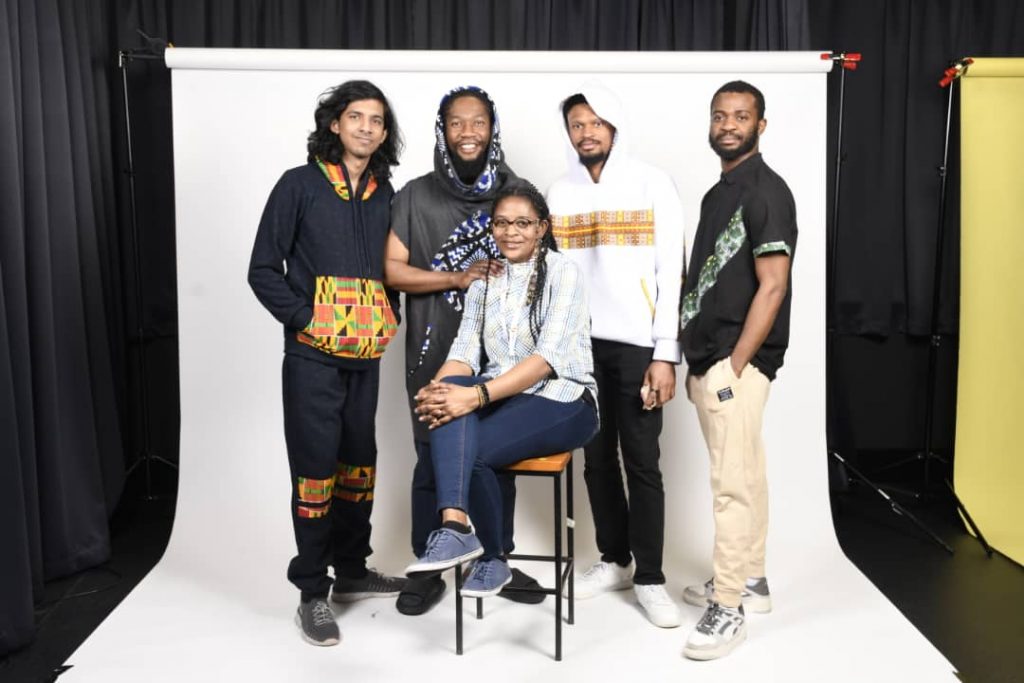
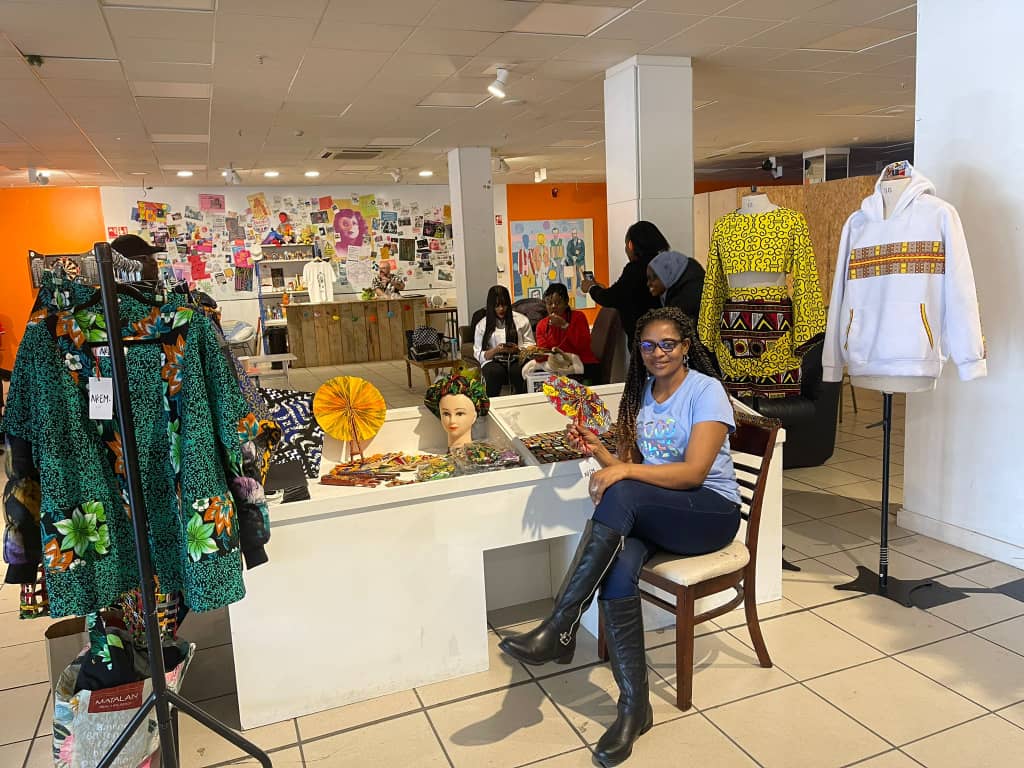
Our fashion group created a collective design label a real brand with a real identity — called NKEM. The label operated within the Teessidemade Marketplace, a platform celebrating creative work made in Teesside, connecting makers with genuine buyers.
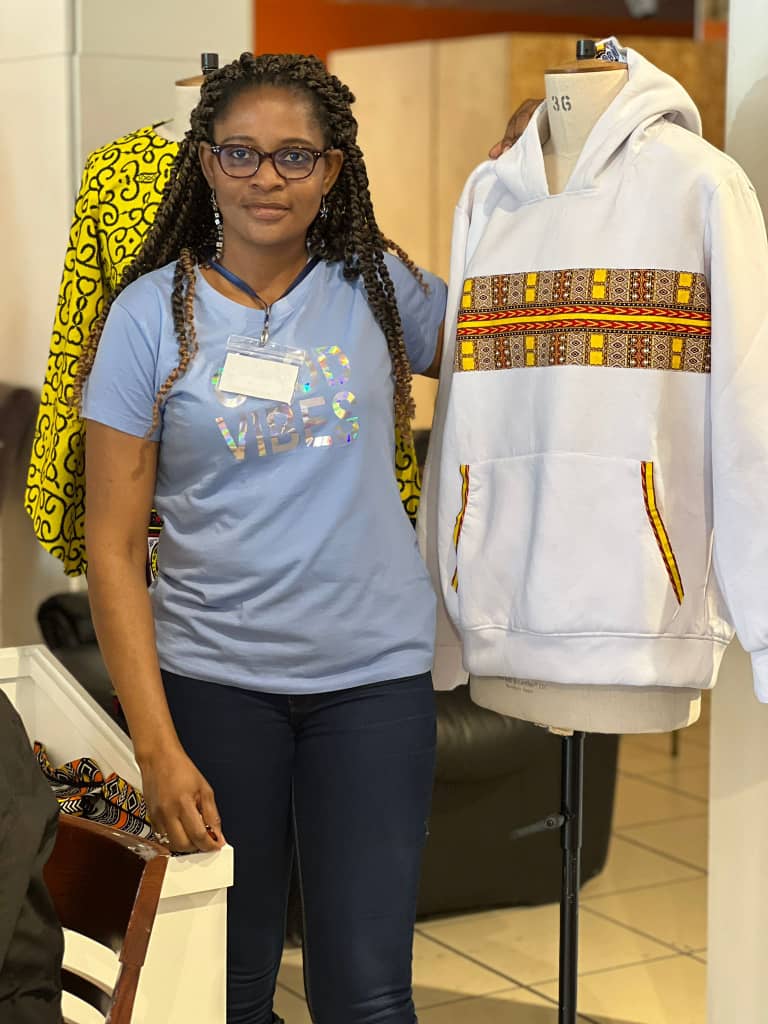
Within the NKEM label, I designed the men’s contemporary clothing range for ages 18 to 50 hoodies, co-ordinated sets, and everyday pieces made from Ankara fabric infused with plain fabric. Other members of our group designed the women’s clothing. Together we created a complete collection under one shared label.
The NKEM collection was exhibited publicly at Pineapple Black in Middlesbrough. Several of my men’s designs sold at the exhibition.
NKEM is an Igbo word meaning mine. I chose it because that is what this fabric is to me not borrowed, not adopted, not inspired by something else. Mine. Ours.
Watching North East England audiences respond to African heritage textile design with genuine curiosity and real commercial interest that was the moment I understood what I was for. Not just making beautiful things. Making beautiful things and giving people the language to understand what they are looking at.
The studio
I founded Ann-Aniedi Asikpo Studio in January 2026.
I stopped making clothes for three years while I completed my MA and settled in a new country. When I picked up the scissors again in January 2026, my hands remembered everything. The knowledge was there not in my mind exactly, but in my hands. Waiting.
Ann-Aniedi Asikpo Studio is built on two kinds of knowledge: the analytical knowledge of a multimedia PR practitioner with a Master’s degree and MCIPR membership, and the embodied knowledge of someone who has made clothes from African heritage fabric since childhood.
The studio is based in Stockton-on-Tees, 15 minutes from Middlesbrough, in the Tees Valley. The African diaspora communities of Teesside deserve to have the story of their fabric told, publicly and accurately, in the places where they live. Not in a gallery in London. Here.
What I believe
I believe that African heritage textiles deserve to be known, not just worn.
I believe that the gap between loving African fabric and understanding it is smaller than the fashion industry assumes and that closing that gap is one of the most important cultural communications challenges of our time.
I believe that the North East of England is exactly the right place to build this practice — because the people whose heritage these fabrics carry are here, and they deserve a practitioner who is here with them.
And I believe that making something beautiful, with full knowledge of what you are making and full respect for the culture it comes from, is one of the most honest things a person can do.
That is what Ann-Aniedi Asikpo Studio is for.
Decode Africa. Weave your story.
Ann-Aniedi Asikpo
MCIPR · MA Multimedia Public Relations, Teesside University (2024)
Founder, Ann-Aniedi Asikpo Studio · Stockton-on-Tees, North East England
contact@ann-aniediasikpo.co.uk · ann-aniediasikpo.co.uk · 07421 207531