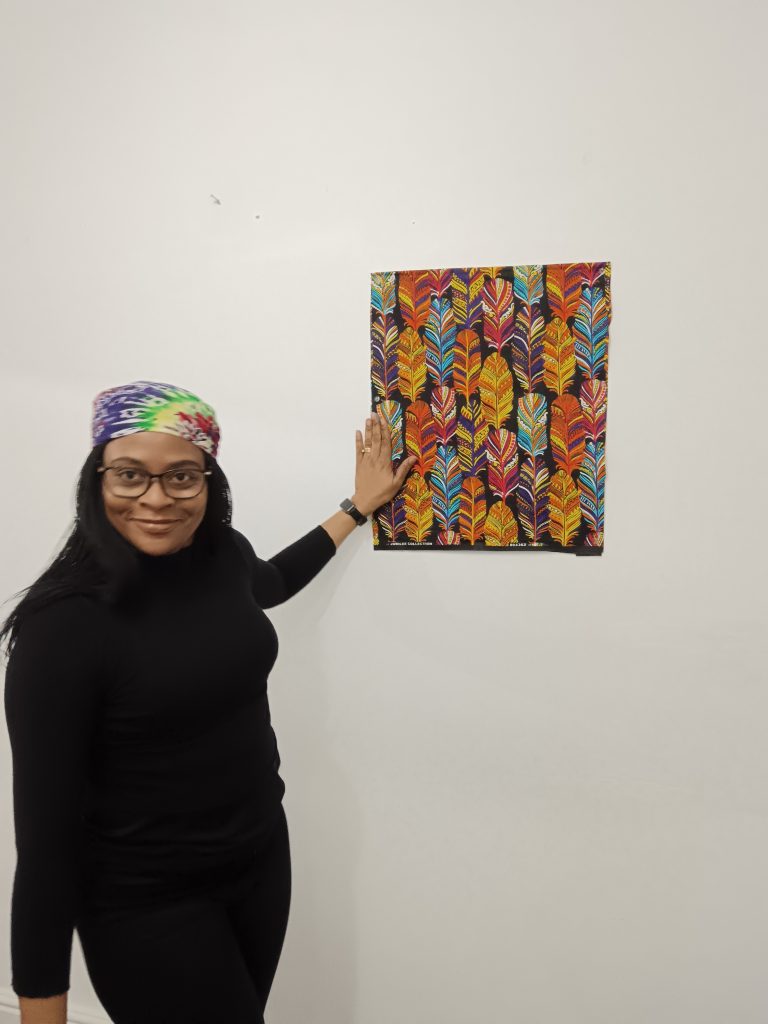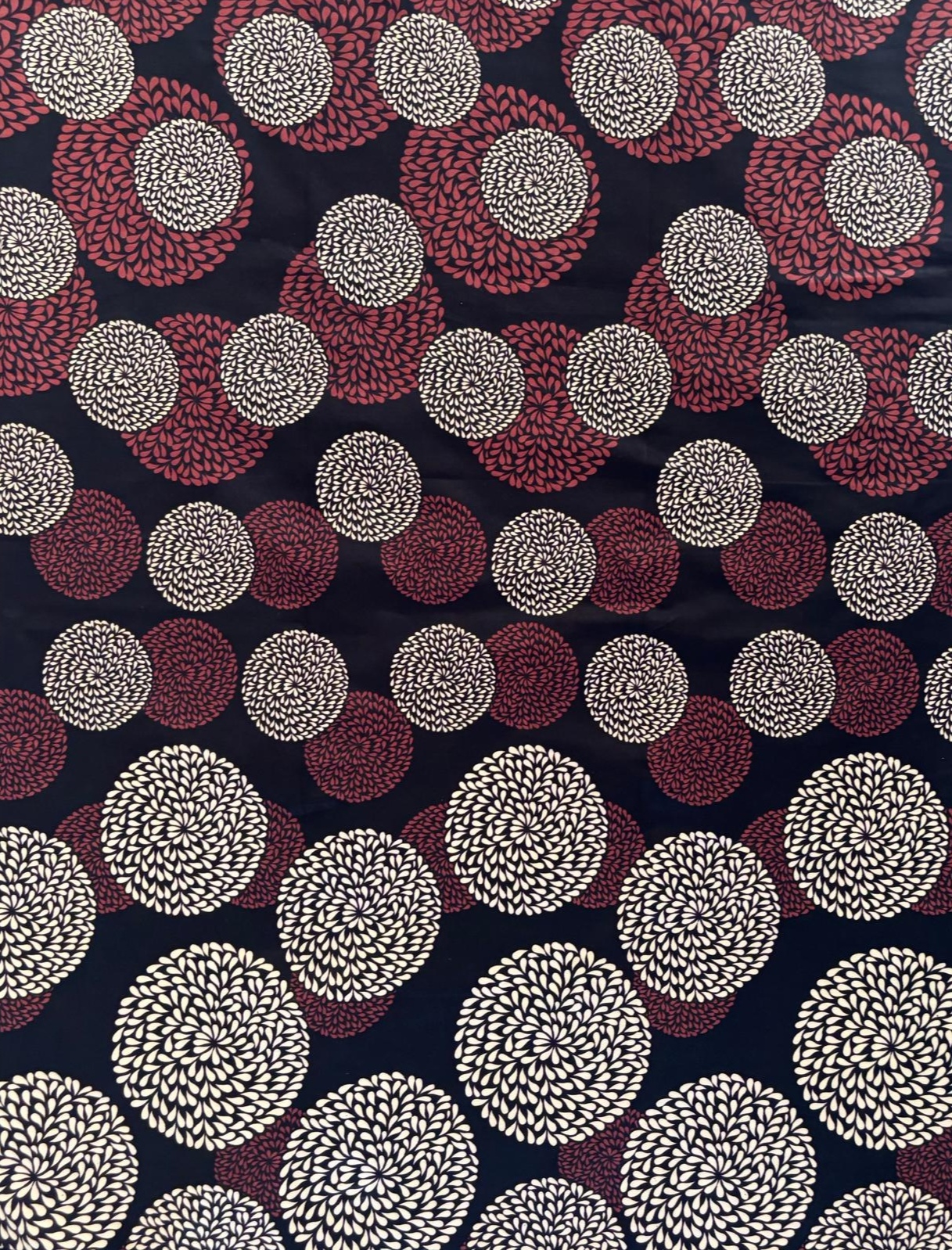
The fabric most people know as African print has a more complicated origin story than its name suggests. And understanding that story changes everything about how we talk about African fashion. In the 19th century, Dutch textile merchants were trying to industrialise a traditional Indonesian technique called batik a wax-resist dyeing method used across Java for centuries to create intricate, patterned cloth. The Dutch saw commercial potential. They built factories. They tried to replicate batik at scale and sell it back to the Indonesian market. Indonesia was not interested. So the merchants rerouted their ships to the West African coast and offered the fabric to women in Ghana, Nigeria, Senegal, and beyond.
What happened next is what most people do not know
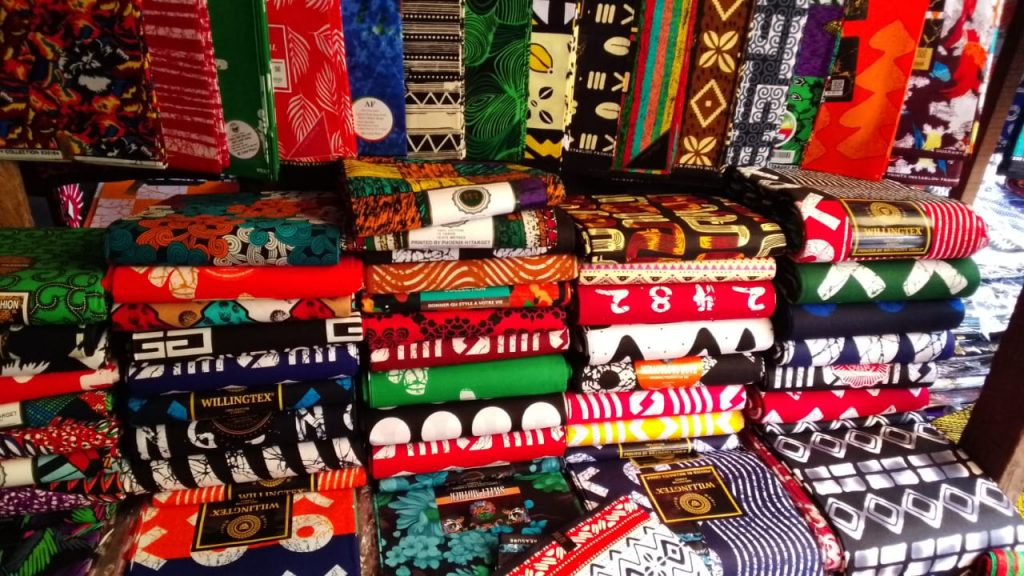
Those women were not passive recipients of a European product. They looked at the cloth, felt it, considered it, and made a decision. Not just to buy it. To claim it. They began requesting specific colours. Specific patterns. They began using the fabric to communicate things that their existing textiles could not communicate in the same way and they built an entire visual language around it over the following generations. What had been a failed Dutch export became one of the most significant material symbols of African identity, community, and cultural communication in the world. This is why the word “Ankara” itself matters. The fabric is sometimes called “African wax print” or simply “African print” but in West Africa, most people call it Ankara, after the Turkish capital, reflecting one thread of the many global journeys this fabric has taken. In Ghana, it is often called “ntoma.” In Francophone West Africa, “pagne.” Each name tells you something about the community using it.
What the patterns actually mean
Here is where the story gets deeper. Ankara patterns are not random. They carry meaning social meaning, ceremonial meaning, sometimes political meaning. In many communities across West Africa, the fabric you wear to a funeral is different from the fabric you wear to a naming ceremony, which is different again from what you wear to a market, a wedding, religious, traditional marriages or a community meeting. Some patterns are associated with proverbs. Some with occupations. Some with specific ethnic groups. A woman knowledgeable in these patterns can look at someone’s outfit and read things about them their status, their mood, their occasion without a single word being spoken. This is what I mean when I say African textiles are cultural communication systems, not just decorative cloth.
Why this matters for global fashion right now
Today, Ankara is everywhere. It appears on runways in Paris, London, and New York. It is stocked in high street shops. It is used in collaborations between luxury brands and African designers. And most of the people buying it, wearing it, and selling it have no idea about any of the story above. This is not a small thing. When you reduce a 200-year-old cultural communication system to a “trend” or a “print,” you are not just missing context. You are participating in a pattern of cultural erasure that the African women who built this fabric’s identity spent generations resisting. At Ann-Aniedi Asikpo Studio, this is exactly what we are working to change. Not by lecturing people or making them feel guilty for loving the fabric but by making sure that when people engage with Ankara, they have access to its full story. Because knowing the story does not diminish the beauty. It multiplies it.
The woman on the floor
I grew up in Nigeria watching a woman lay Ankara fabric across the floor and cut patterns from memory. She knew this fabric in her hands. She knew which way the pattern needed to run to honour the cloth. She knew, without measuring, how much she would need. She never called herself a designer or a cultural curator. But everything she did with that fabric was an act of cultural continuity passing down not just a garment, but a way of understanding what fabric is for. That is the knowledge I am building Ann-Aniedi Asikpo Studio to carry forward. Africa has 54 nations. Each one has a fabric. Each fabric has a story. Most of the world cannot read that story yet. We are here to change that.
#DecodeAfrica #Ankara #AfricanTextiles #HeritageTextiles #WestAfrica #AfricanFashion #CulturalStorytelling #weaveyourstory
Ann-Aniedi Asikpo