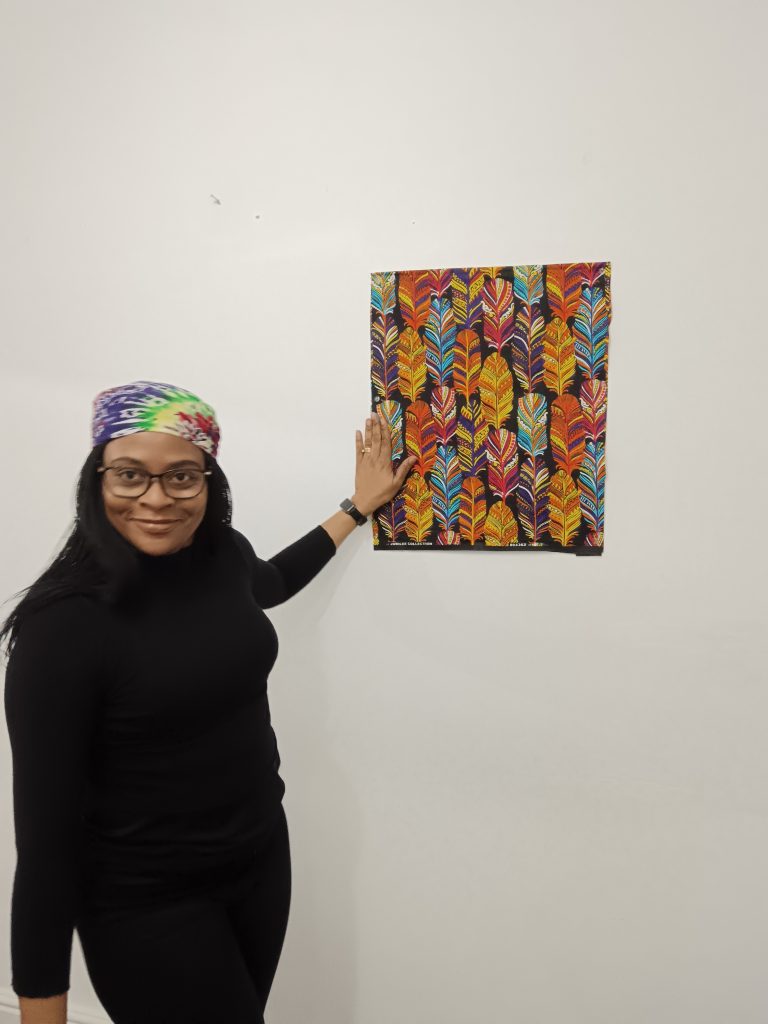
By Ann-Aniedi Asikpo (MA, MCIPR)
Published: Thursday, 18 June 2026
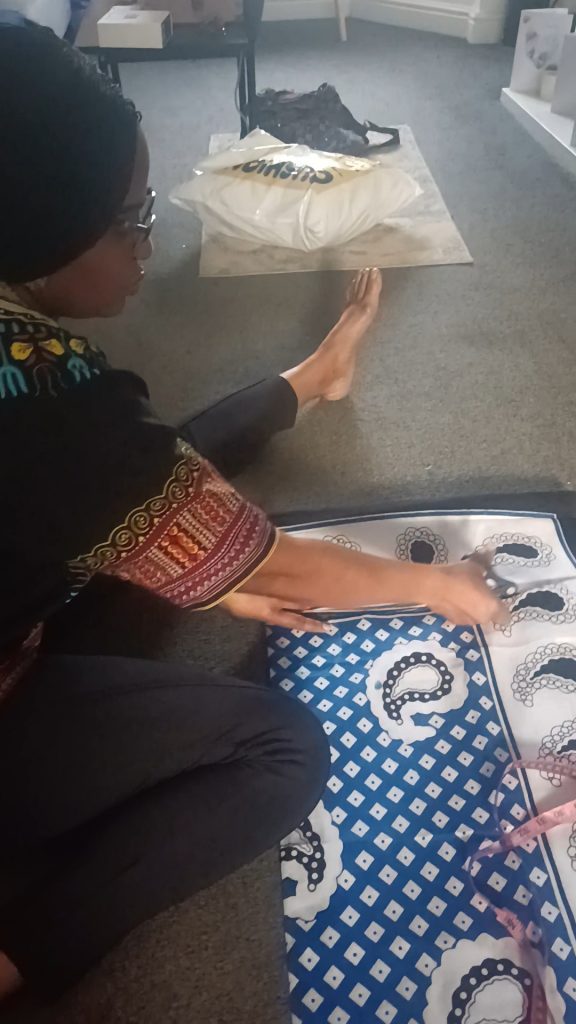
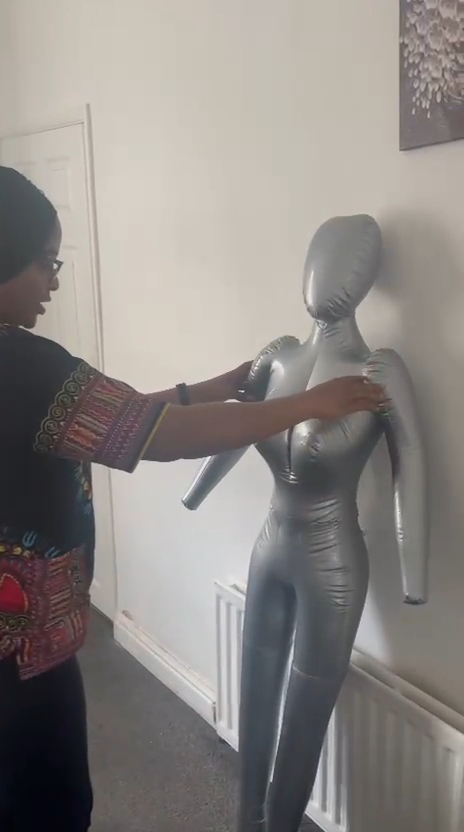
The floor is lined with fresh, large-scale event banners. Tables are covered with stacks of printed A3 and A4 curatorial story panels. In the center of the room stands a collection of heritage garments being carefully steamed, packed, and structured for transport.
The Catalytic Connection: From London to Manchester
This upcoming exhibition is the direct result of collaborative cultural networking. Following an invitation to Tapestry of Black Britons exhibition at the prestigious Crafts Council in London, exhibited by Paula Ogun Hector.
Paula immediately recognized the academic and public relations value embedded within our Africa 54 Textile Archive project. With incredible generosity, she spearheaded my introduction to the organizers of the Windrush Exhibition in Manchester, Prof Faye Ruddock and John Obiajunwa unlocking a monumental opportunity for our studio to mount an exhibition space across the Windrush forum and the iconic Manchester Central Library this coming Saturday, 20 June.
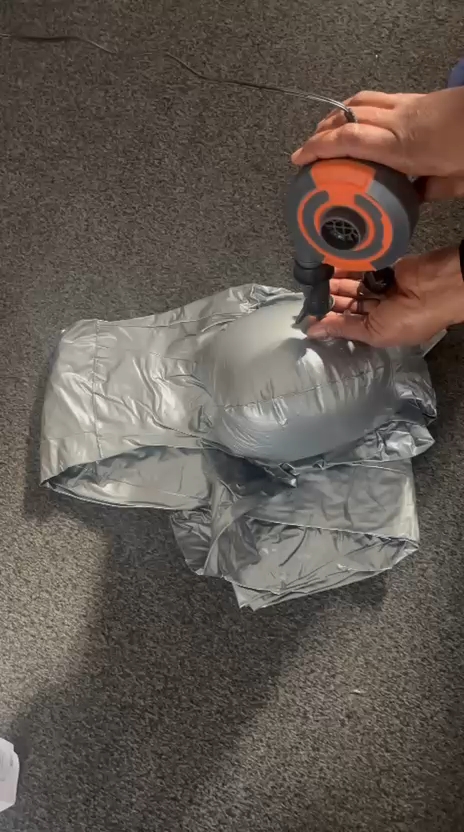
It has been an incredibly hectic preparation. Balancing international supply chains, text editing, graphic design, and print deadlines as an independent founder is a massive undertaking. Yet, as we prepare to load the vehicles for Manchester, I am filled with an overwhelming sense of gratitude for the journey that brought us to this week.
More Than Fashion: The Architecture of the Story Panels
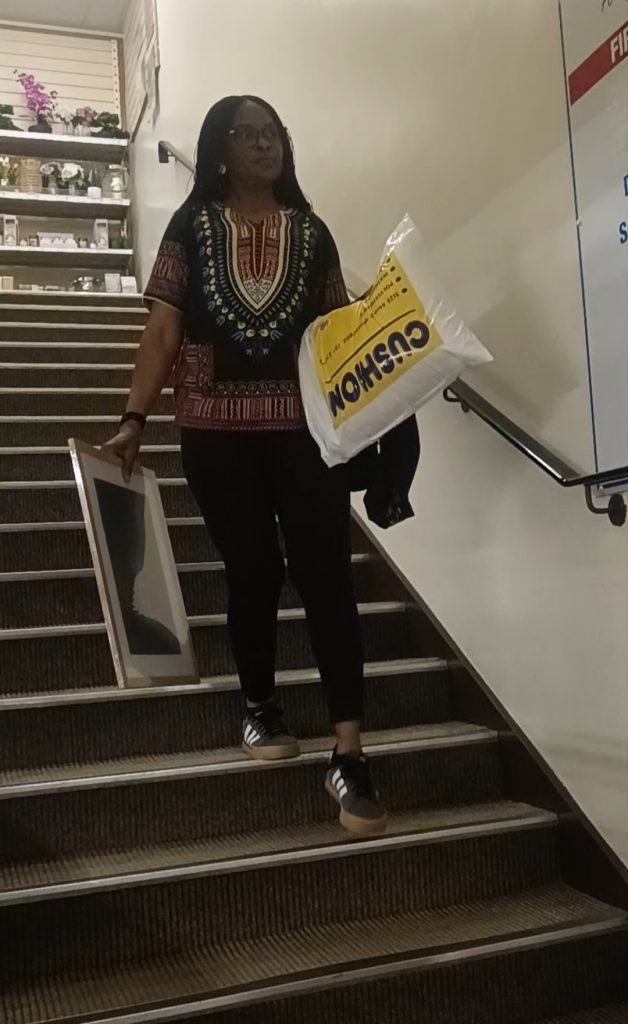
As a practitioner with an MA in Multimedia PR and an active membership in the Chartered Institute of Public Relations (CIPR), my goal has never been to simply showcase “fashion.” Fashion looks back; heritage communicates.
To bridge the gap between traditional West African material literacy and contemporary UK museum spaces, I have spent the last several weeks constructing a rigorous physical display system.
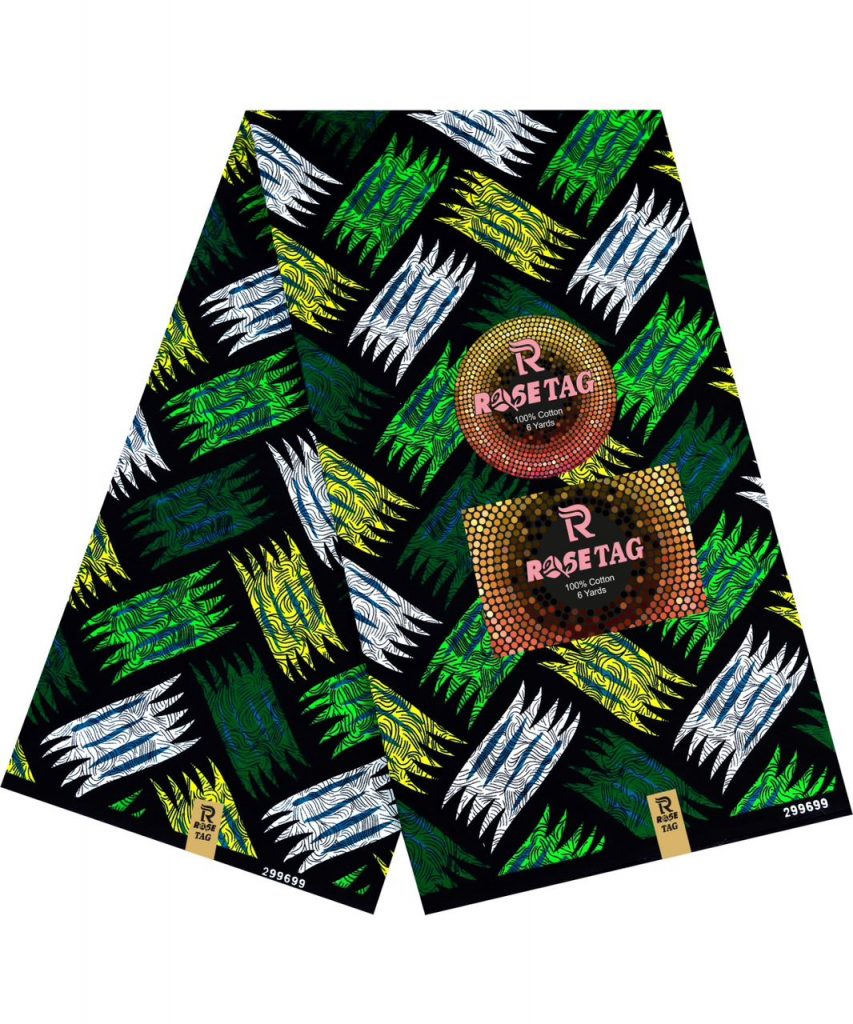
Alongside our custom-tailored storytelling garments, we are introducing an extensive series of A3 and A4 Curatorial Text Panels. These panels serve as physical decoders for the audience, breaking down:
- The Linguistic Origin: The specific proverbs and names given to patterns like Ankara, Adire, Aso-oke and Kanga by traditional market women.
- The Visual Codes: How changes in geometric shapes and dye frequencies communicate status, history, and community transitions.
- The PR Translation: How ancient textile systems mirror modern public relations and brand transparency frameworks.
Join Us This Saturday in Manchester
The banners are printed, the text panels are safely packed, and the unbroken thread of our material heritage is officially moving to the North West’s cultural capital.
I want to invite all of our readers, academic contacts, and creative peers to join us live this weekend:
- Venues: The Windrush Exhibition , Manchester Alexandra Park
- Date: Saturday, 20 June 2026
- Time: Open throughout the day to the public.
Come stand before the garments, read the research panels, and share your own stories of heritage, migration, and memory with us.
Thank you to Paula Ogun Hector, the Manchester organizing teams, and our incredible North East community for standing in our corner during this frantic, historic week.
See you in Manchester,
Ann-Aniedi Asikpo
Founder & Creative Director, Ann-Aniedi Asikpo Studio