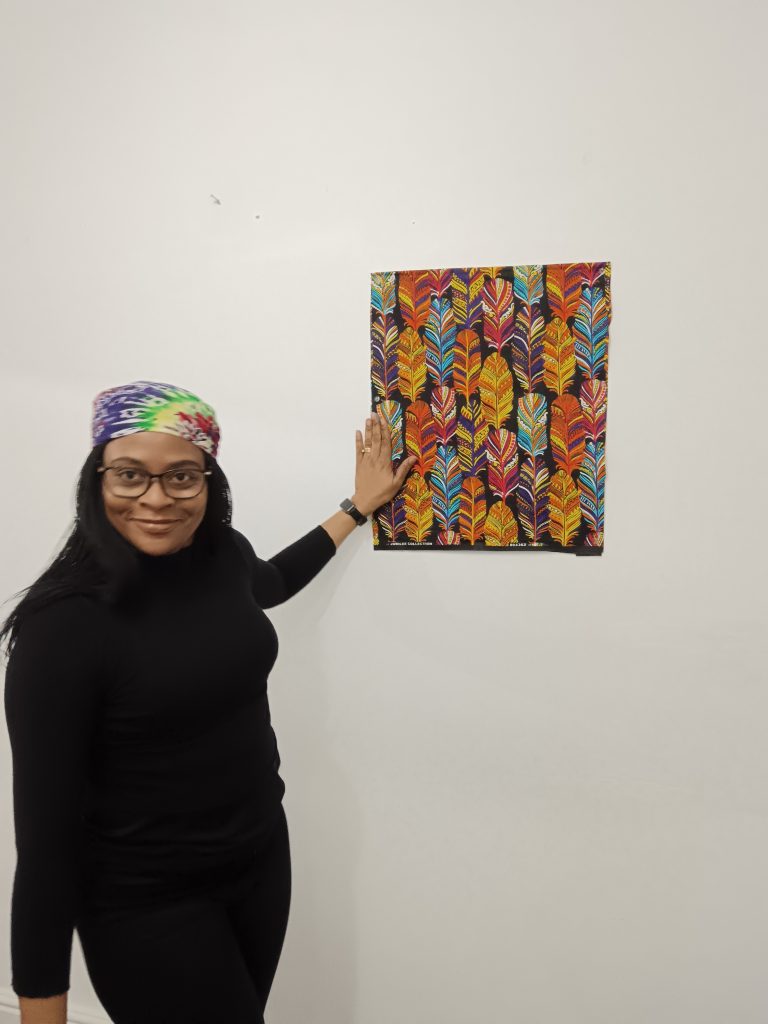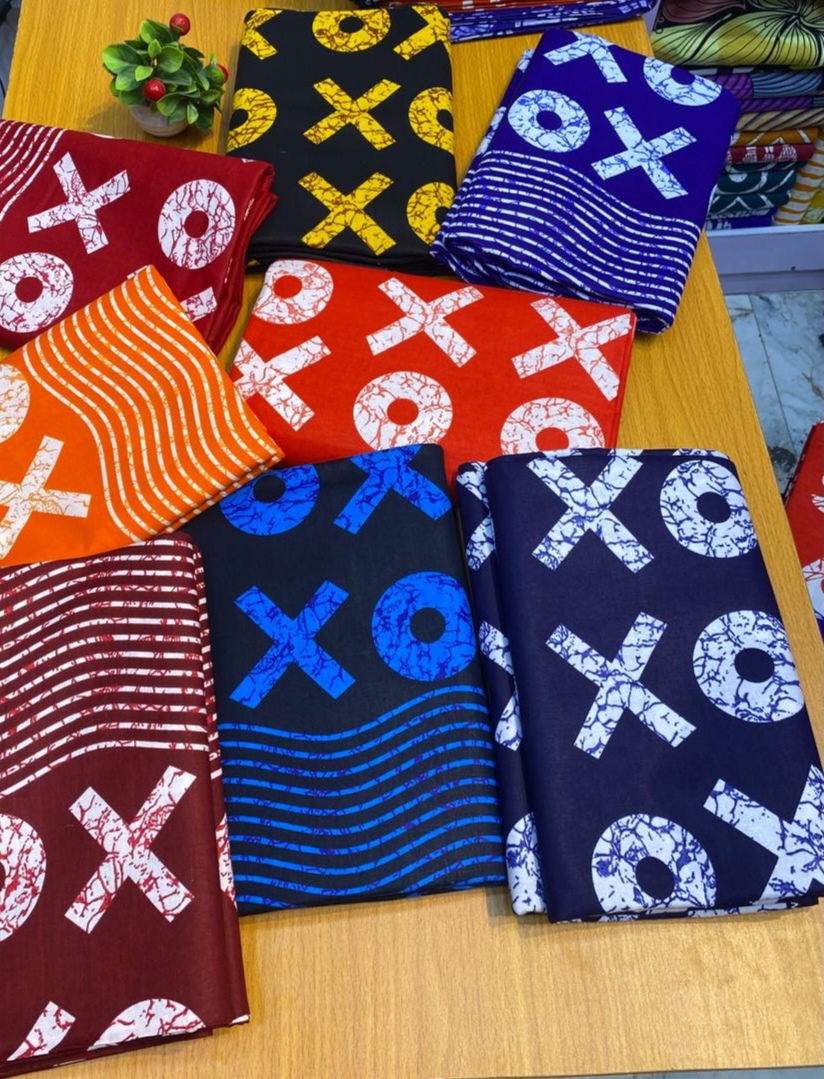
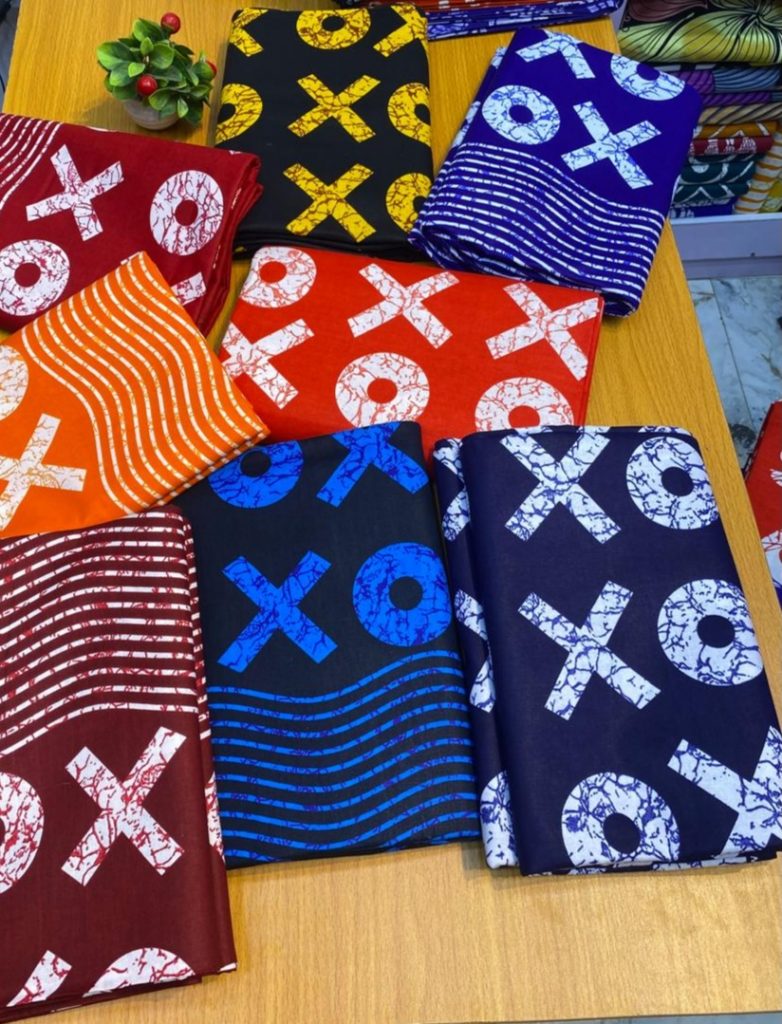
Sustainability has become one of the most pressing issues in the global fashion industry. From the environmental impact of fast fashion to the search for ethical alternatives, designers, brands, and consumers are rethinking how clothing is made, worn, and disposed of.
Yet within these conversations, many existing textile traditions are often overlooked. One of them is Ankara, a fabric widely worn across Africa and the diaspora but rarely discussed within mainstream sustainability narratives. When it does appear, it is often framed as ‘ethnic’ or trend-based, rather than as a textile with long-standing sustainable practices embedded within its use.
This raises an important question: Is Ankara already sustainable, and if so, why is it not recognised as such globally?
How Ankara Is Commonly Perceived Globally
In many global fashion spaces, Ankara is viewed through a narrow lens. It is often associated with cultural events, bold aesthetics, and occasion wear, rather than everyday use. While these associations are not incorrect, they are incomplete.
What is often missing is the context of how Ankara is worn repeatedly, cared for, reused, and valued over time within African communities.
What Sustainability Really Means in Fashion
Sustainability is frequently reduced to innovation, new materials, or certifications. At its core, however, sustainability asks deeper questions about longevity, reuse, repair, and cultural value.
When viewed this way, many African textile traditions already operate within sustainable frameworks, even if they are not described using contemporary sustainability language.
Ankara Through a Sustainable Lens
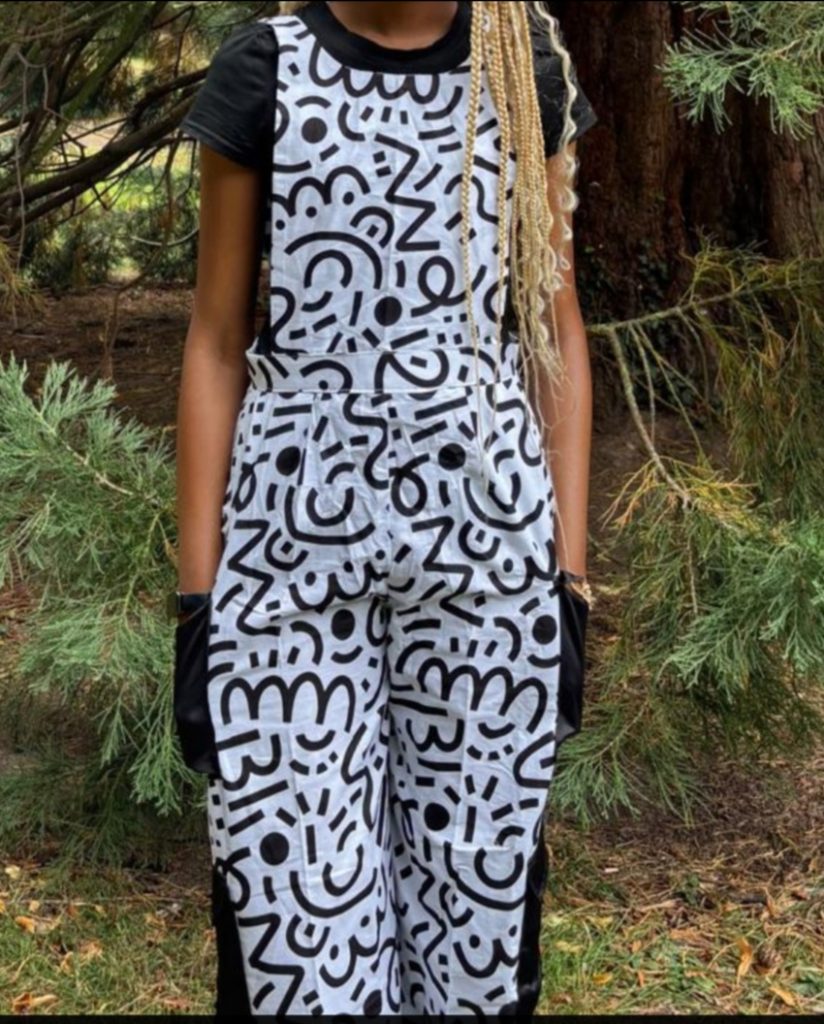
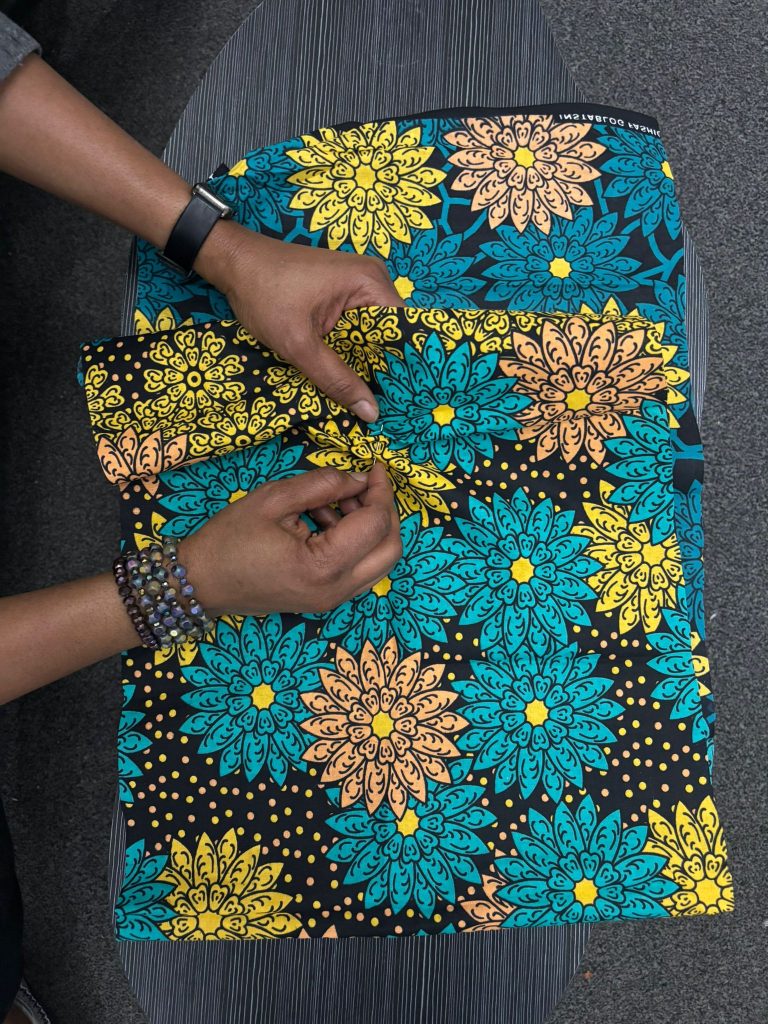
Ankara garments are often worn for many years, altered as bodies change, and repurposed rather than discarded. Fabric offcuts are reused for accessories, home items, or children’s clothing, reflecting a circular approach to fashion.
This adaptability and durability allow Ankara to evolve while remaining relevant, a defining quality of sustainable textiles.
The Storytelling Gap
If Ankara already carries sustainable qualities, why is it rarely included in global sustainability discussions?
The answer lies in storytelling. Fashion perception is shaped by narrative, media representation, and framing. African fabrics have long histories and embedded sustainability, yet these stories are often underrepresented in global fashion discourse.
Reimagining Ankara for Global Audiences
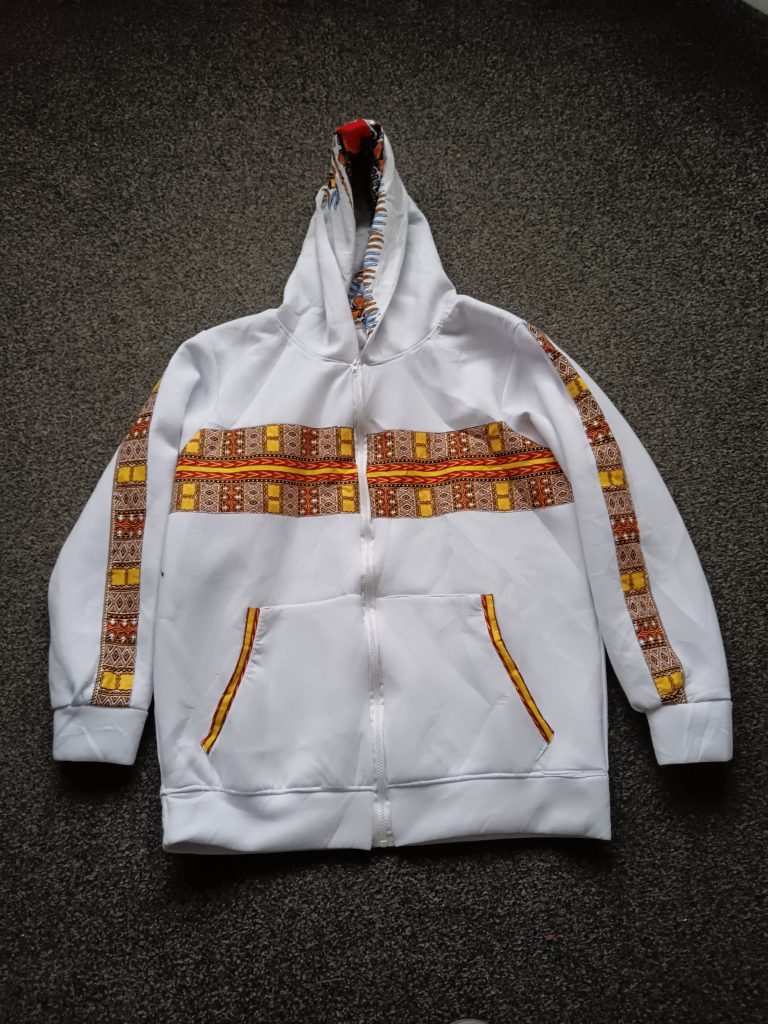
Reimagining Ankara does not require changing what it is but changing how it is presented and understood. Through contemporary design, multimedia storytelling, and thoughtful communication, Ankara can be positioned within global sustainability conversations without losing its cultural integrity.
Closing Reflection
Ankara does not need to become sustainable; in many ways, it already is. What it needs is recognition, contextual storytelling, and space within global fashion narratives. This blog marks the beginning of an ongoing exploration into African textiles as living cultural heritage.
By Ann-Aniedi Asikpo