Reclaiming the Stories of Warrior Women
By Ann-Aniedi Asikpo, MCIPR
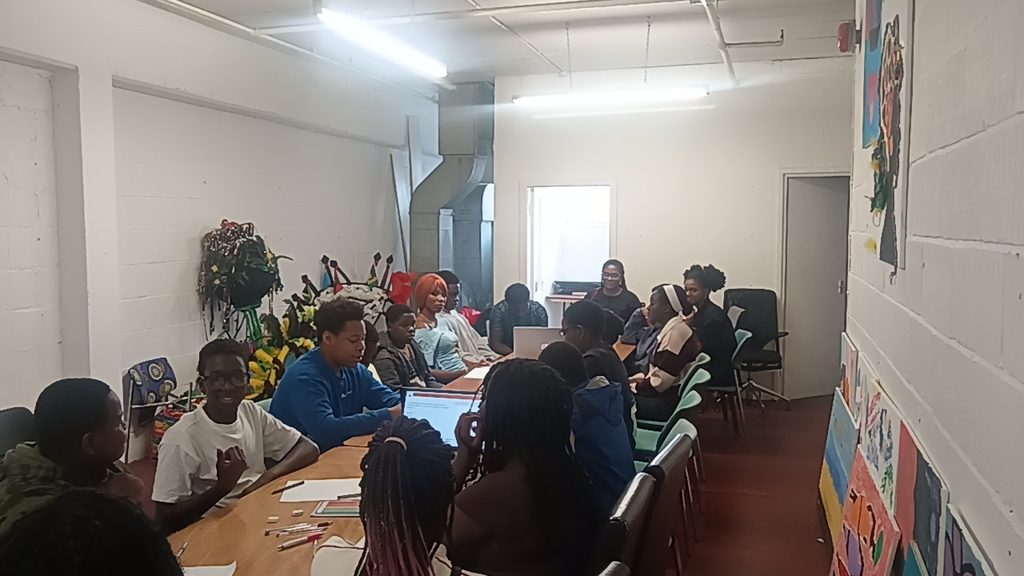
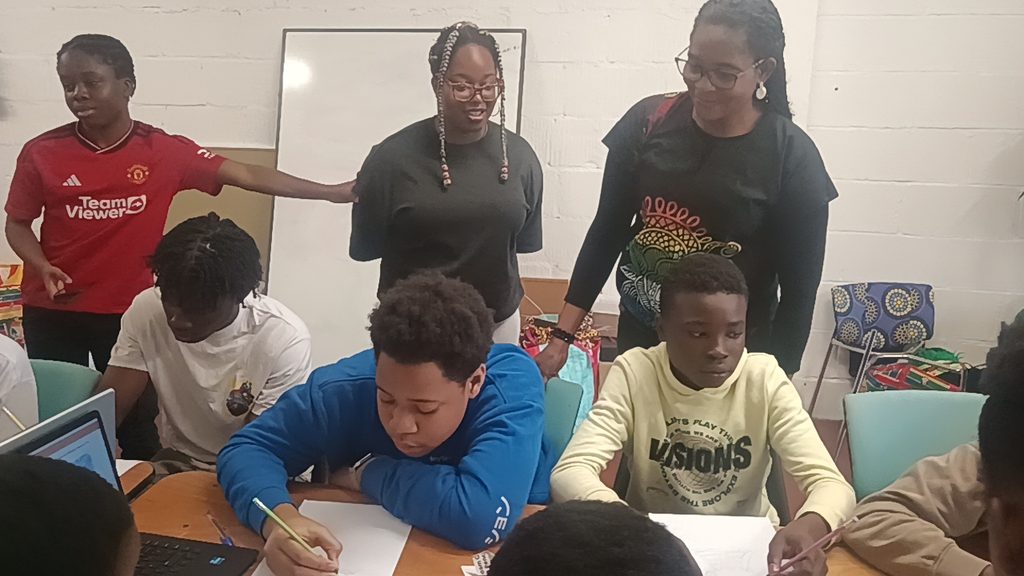
On Tuesday, 18 August 2026, I had the privilege of delivering a heritage workshop for young people at Taste of Africa in Middlesbrough, exploring the stories of Warrior Women from Africa and the Caribbean.
The workshop was part of my growing work in cultural heritage, storytelling and education through DECODE Africa, where I am exploring ways of making African textile, fashion and material heritage more accessible to younger generations.
For me, the workshop was much more than history.
This session was about who is remembered and who gets to remember, and what happens when young people are allowed to see themselves in the stories we tell. It was
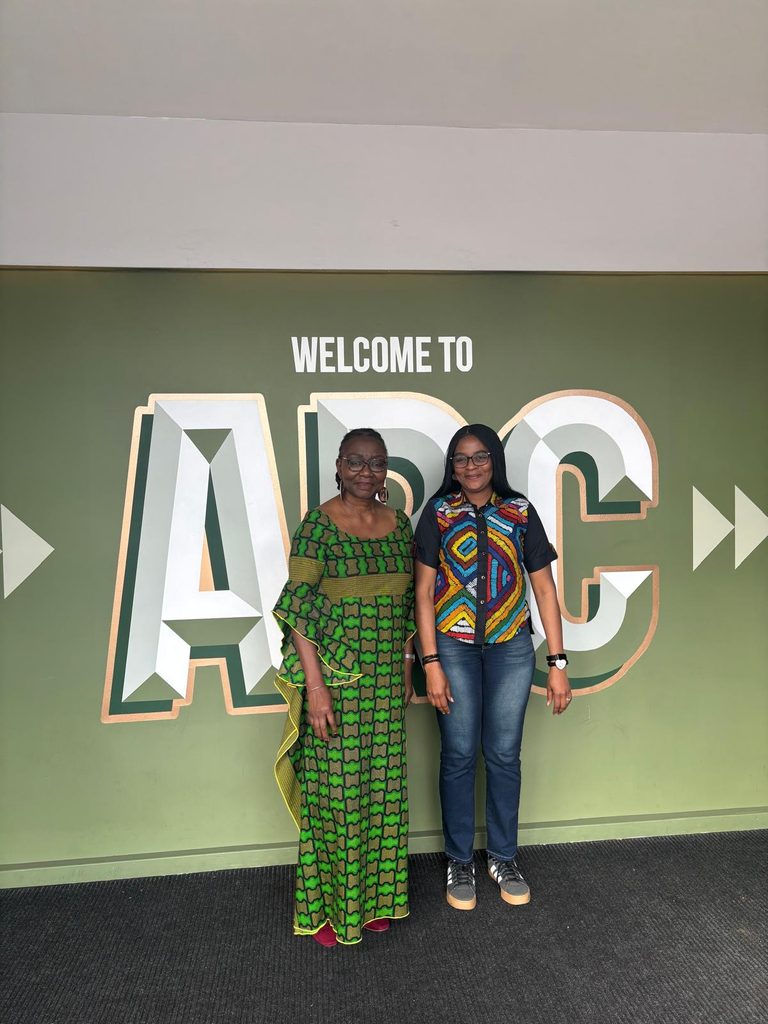
A conversation at The ARC Stockton-on-Tees that came before the workshop
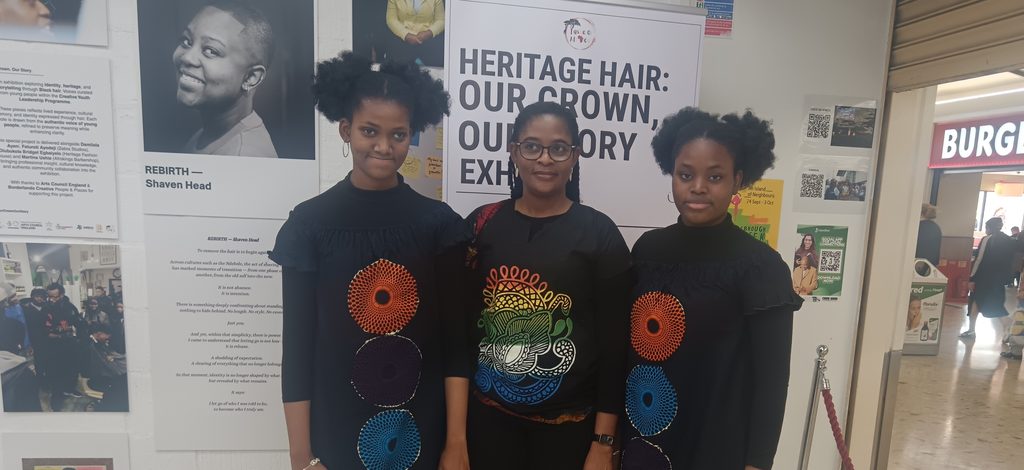
Before the workshop, I met with Folasade Sangowawa of Taste of Africa.
Having a conversation with people who care about African culture and heritage reminds me of Conversations with people who are committed to African culture and heritage, not only about keeping objects or recording the truth,
We talked about the community, memory, identity, and storytelling; exhibitions, community; her experience; what it means to build an organisation rooted in African heritage in the Northeast; and our plans for future collaboration.
I also went home with advice on how to build my studio and navigate every stage, from an industry professional with more than 22 years of experience. I am grateful for that advice and looking forward to the future.
It was a time to reflect, meet and speak with people who have the same interest in African culture, which has encouraged me to think more deeply about how heritage can be taken beyond archives and museums and brought into conversations with younger audiences.
It was an honour to talk with a professional in the industry who has done so much for the African and Caribbean community.
These thoughts became particularly important when preparing for the Taste of Africa workshop.
Taking Warrior Women into the room
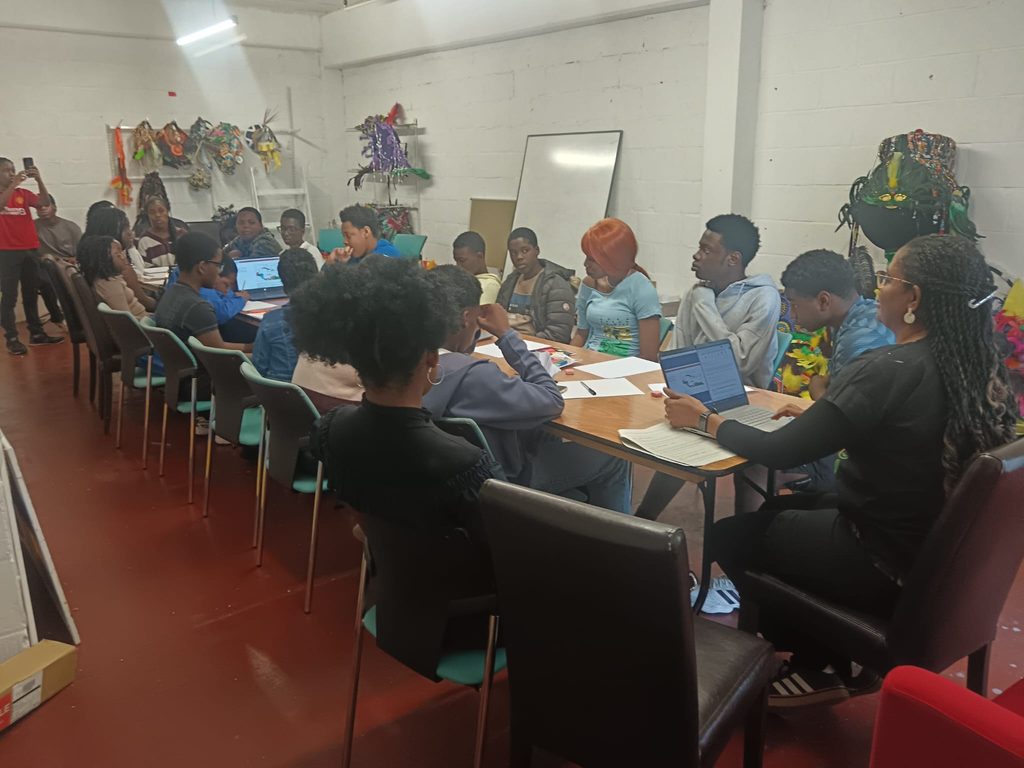
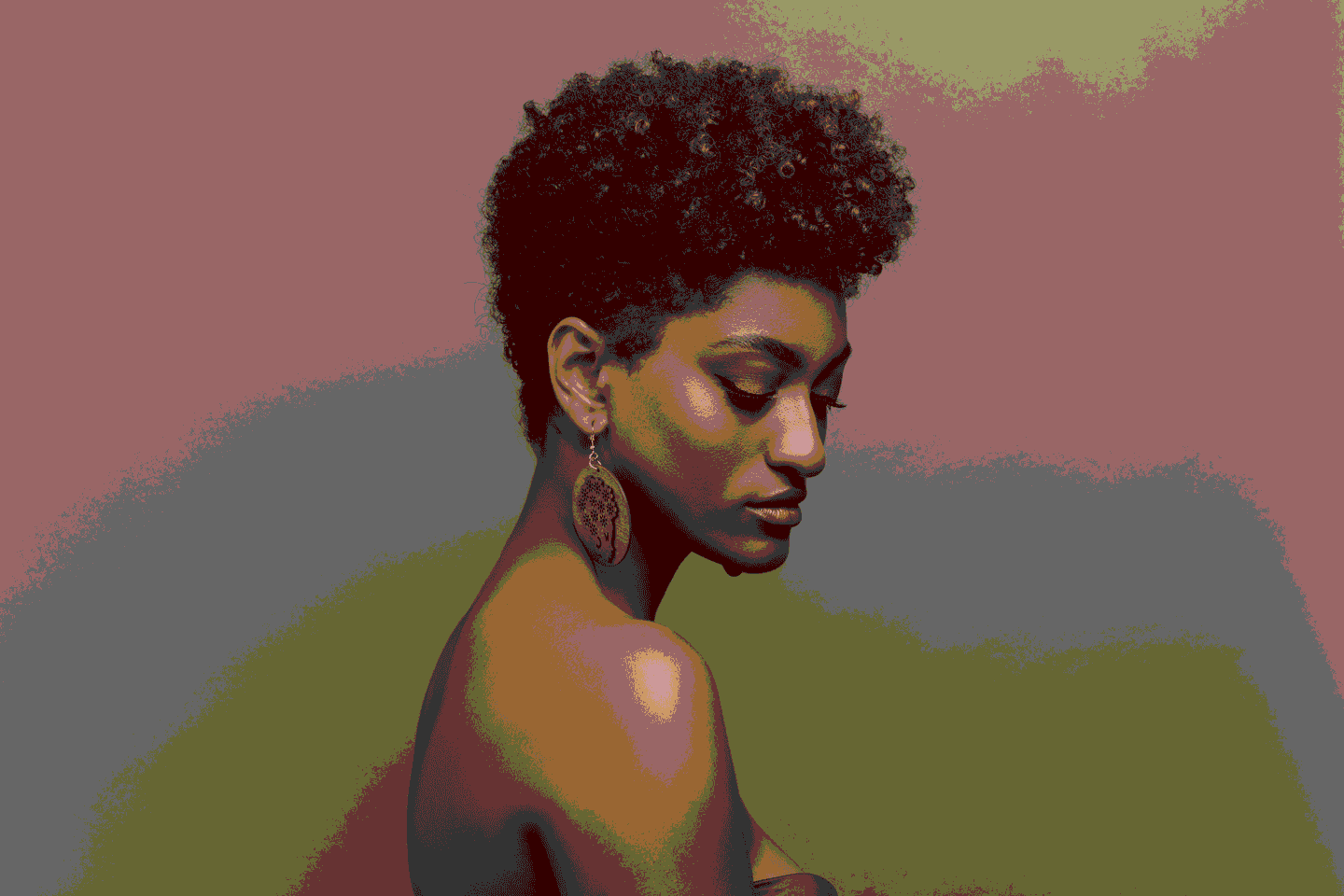
Oftentimes when we talk about African history, young people are presented with stories of kings, kingdoms, wars and colonial history.
But what about the stories of the women?
Where are the women who led our community, resisted, fought, negotiated, protected communities and shaped history?
The workshop examines the stories of women from Africa and the Caribbean whose lives challenge the narrow ways in which women are sometimes represented in history.
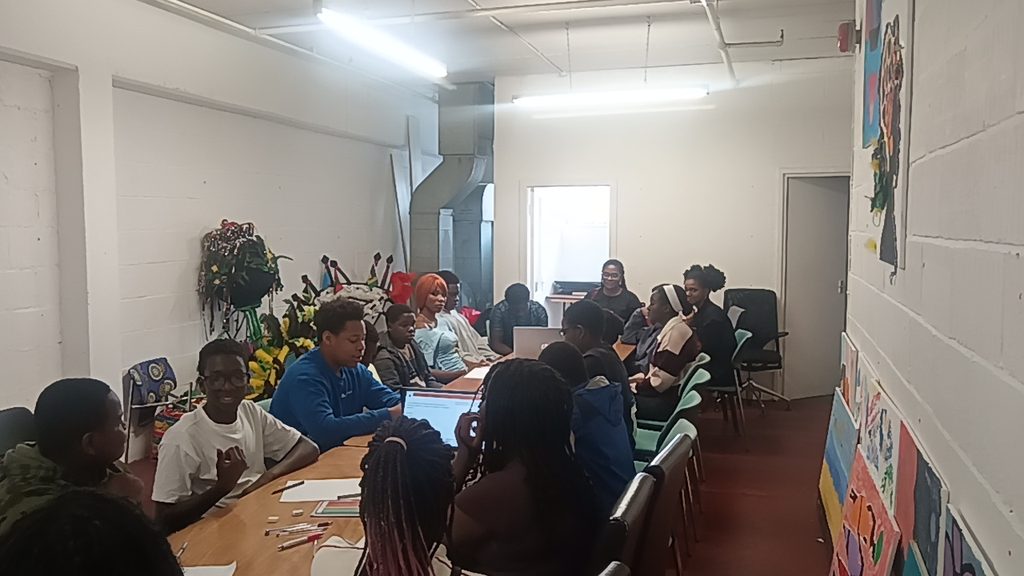
Instead of delivering a lecture, I needed the young people to look, question, discuss and participate in the discussions.
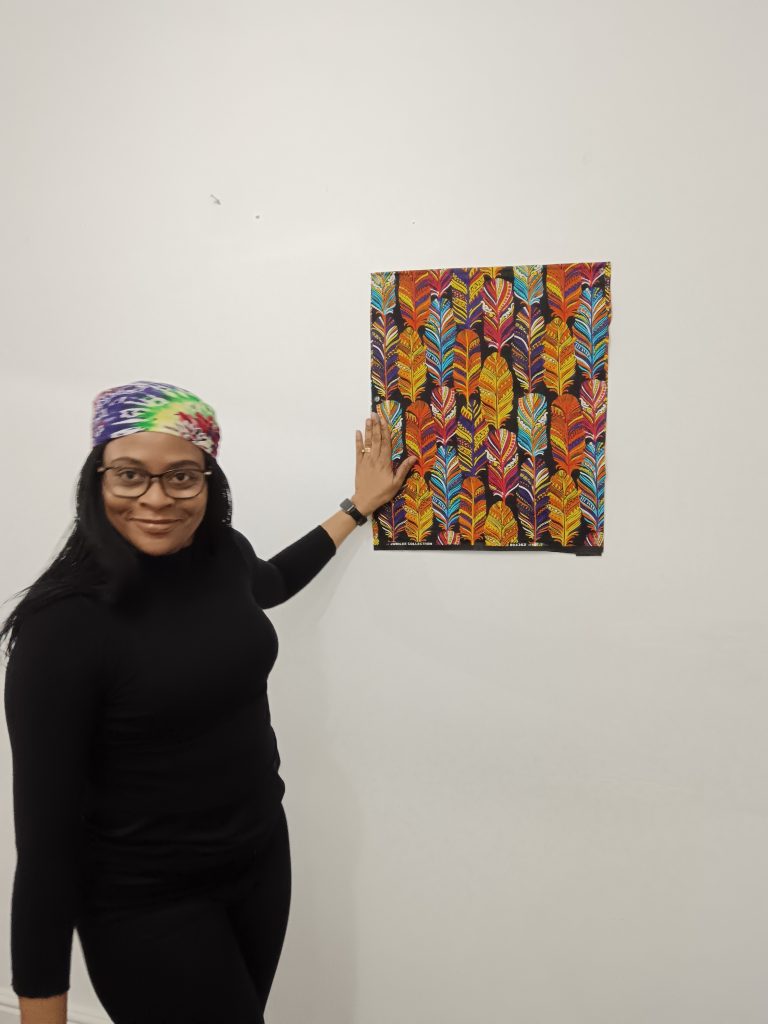
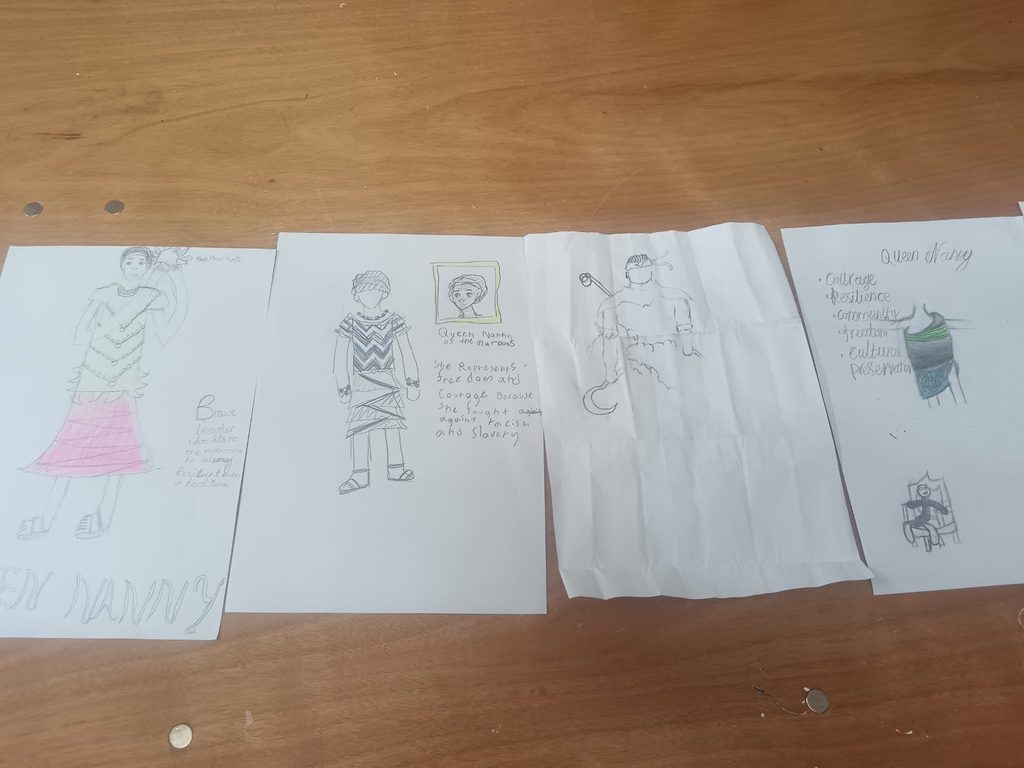
Through our exploration of images, maps, clothing, symbols and stories, using visual material to make the subject more accessible and engaging.
Why are clothing and material culture important
One of the reasons I am increasingly interested in things through DECODE Africa is the relationship between heritage and material culture.
Clothing is not simply clothing; it is much more.
A textile can tell us about:
- identity
- status
- geography
- trade
- belief
- resistance
- craftsmanship
- gender
- community
- memory.
When young people discover their history through objects, images and material culture, history can become something they can see, ask questions and connect with, rather than something that exists only in a textbook.
This is one of the reasons I believe digital storytelling and creative education can play a crucial role in heritage preservation.
The youth at Taste of Africa
One of the most rewarding aspects of the workshop was seeing the young people engage with the subject.
Their participation, questions, and reactions reminded me that young people are more involved in participation rather than being uninvolved in heritage conversations.
They can become future researchers, storytellers, interpreters and custodians of heritage themselves.
The feedback from Taste of Africa was incredibly encouraging, and I am grateful to Folasade, the owner of Taste of Africa, and everyone who helped make the session possible.
From preservation to participation
My work through DECODE Africa is increasingly making me think about heritage preservation in a different way.
Preservation cannot only mean keeping something safe; it is much more than that.
We have to ask the following:
Who has access to it?
Who understands it?
Who is telling the story?
Who gets to participate?
And maybe most importantly:
Will the next generation care enough about carrying it forward?
This is where digital heritage, education and storytelling meet.
The conversation about the future of African heritage preservation cannot only be about looking backwards.
It must also include giving the next generation the tools, confidence and knowledge to look forward as they carry their heritage with them.
Continuing the conversation
After the Taste of Africa workshop has my belief that cultural heritage belongs in classrooms, community spaces, museums, digital platforms and everyday conversations has been strengthened.
This has also reinforced the direction of my work through Ann-Aniedi Asikpo Studio and DECODE Africa: connecting African textiles, fashion, history, community and material culture with contemporary audiences through research, storytelling, education and digital communication.
We have the stories.
The objects are there.
The memories are there.
Now we need to make sure they are seen, heard globally, understood and passed on to the next generation.
This is the work I want to continue.