Lessons we can learn from Nigerian itinerant tailors about clothing care, community knowledge and a more sustainable fashion future.
By Ann-Aniedi Asikpo | Ann-Aniedi Asikpo Studio / DECODE Africa

I remember a sound from Nigeria.
The Click, Click, Click.
You hear the sound down the street before you see the person.
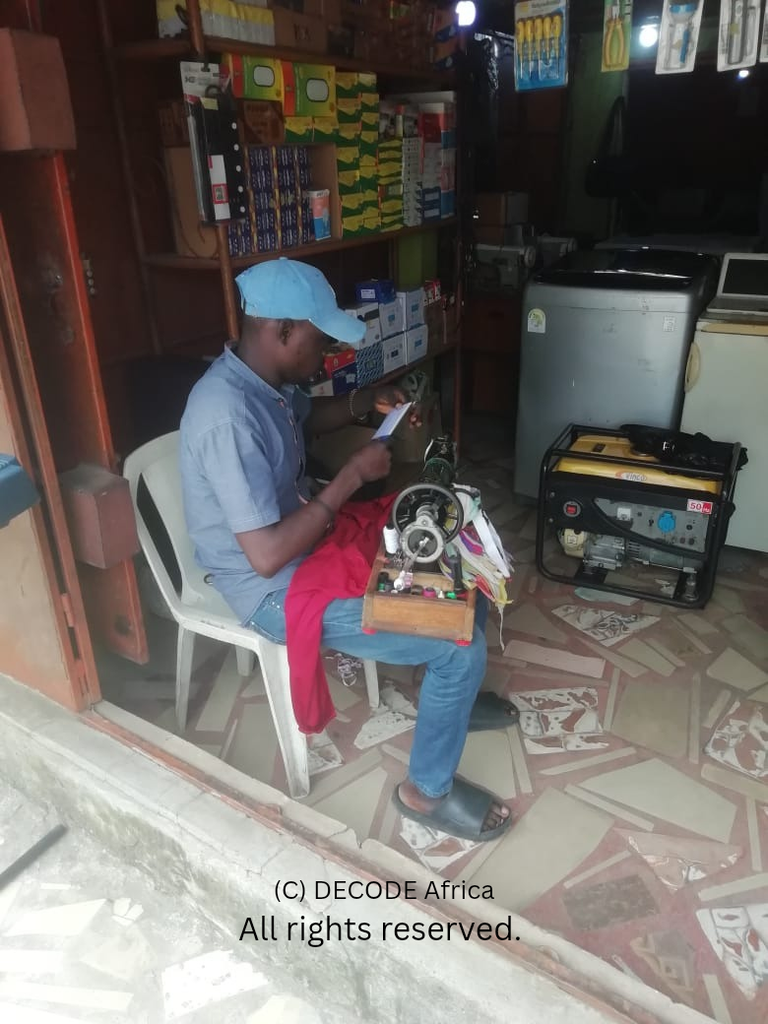
The arrival of this familiar person is announced by the sound of a clicking pair of scissors. A man with a sewing machine on his shoulder, prepared to repair, mend, alter, or bring to life a garment that may still be useful.
This is an itinerant tailor.
He is like a mobile tailoring shop; you do not need to travel. In Nigerian communities, he comes to you. He is at your doorstep, probably at your gate; he offers his services, working on everyday problems of clothes, which may include a torn seam, broken zip, loose hem, or any garment that needs adjusting.
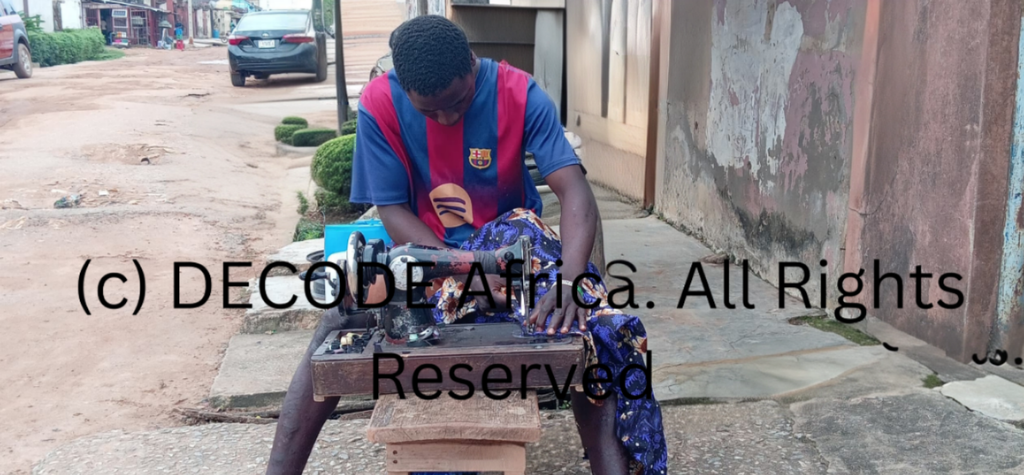
He is off to the next household once the work is finished.
Although this service is simple, it tells a much bigger story about people’s relationship with clothing.
The garment is not discarded simply because something went wrong.
Even though we can order a new dress just by tapping our phone, it is simple to think of a torn garment as a problem that needs to be replaced.
But there are other ways of looking at this.
When you have a torn zip, it does not automatically mean that a dress has gotten to the end of its useful life. A jacket that has a broken zip does not make it worthless. Rather than replace a pair of trousers that does not fit properly, it can be amended.
The itinerant tailor knows this through his practice.
He fixes any problem that he sees. Through his work, a garment is given new life to be worn, valued and enjoyed.
Many households have used clothing repairs to manage wardrobe and family resources. Garments could be adjusted to fit body changes, repaired when they are torn and passed on to other relatives when they are no longer needed by the initial wearer.
These experiences may not be the same in every Nigerian household, and they may not be conferred as a single national tradition. This has offered a significant starting point for thinking about the relationship between clothing being resourceful and care.
Sometimes, increasing the life of a garment starts with an ordinary decision: repair it instead of disposing of it.
Sometimes, extending the life of a garment begins with a very ordinary decision: repair it rather than discard it.
Now we call it circular fashion.
Sustainability is an important conversation in the fashion industry. From designers and researchers to businesses and policymakers, they are finding ways to reduce waste and retain clothing and materials in use for a longer time.
The circular economy includes ways and practices like maintenance, repairs, reuse, and remaking products rather than letting them become waste.
The Ellen MacArthur Foundation identifies keeping fashion and textiles in use as a key part of moving toward a circular fashion system.
The Itinerant tailor in Nigeria fits easily into this conversation.
He brings repair services closer to the people where he lives. He brings alterations accessible to every customer without them making a visit to a specialist shop. His skills help people to keep wearing clothes they already own.
Nigeria has not solved sustainable fashion, but there is a lesson to learn from this. Not every traditional practice automatically qualifies as sustainable.
The lesson is not that repair, maintenance, and reuse are not new ideas that need to be created. These practices already existed in the community’s everyday life and deserve to be understood.
Before creating new solutions, we should be
Before designing new solutions, we should be curious about the knowledge and services that communities already rely on.
The man behind the sewing machine
I am interested in the human side of the story.
The itinerant tailor not only provides a technical service. He brings his service into the neighbourhood, making it possible for people to access the skills as they need.
His work is practical knowledge: knowing how fabric behaves, identifying the problem, choosing the best way to repair it and executing the job with the available tools.
We also must look at the social dimension of this. Someone may recognise the tailor from a previous visit, know where he works or recommend him to another household.
We can see the value of the service not only in the repaired garment. It could be seen in the familiarity, accessibility and the relationship between the people and a skilled worker.
This deserves a place in sustainability conversations, especially when new repair services are developed for contemporary consumers.
We can use technology to find repairers. We can use digital tools to connect customers to skilled workers. Repairers can easily be booked through new business models.
Technology alone cannot replace the skills, proper working conditions, affordability, and trust that make a service useful to a community.
The question is not whether technology should be used. It is whether new systems can learn from existing practices rather than overlooking them.
Clothing care as an everyday form of sustainability
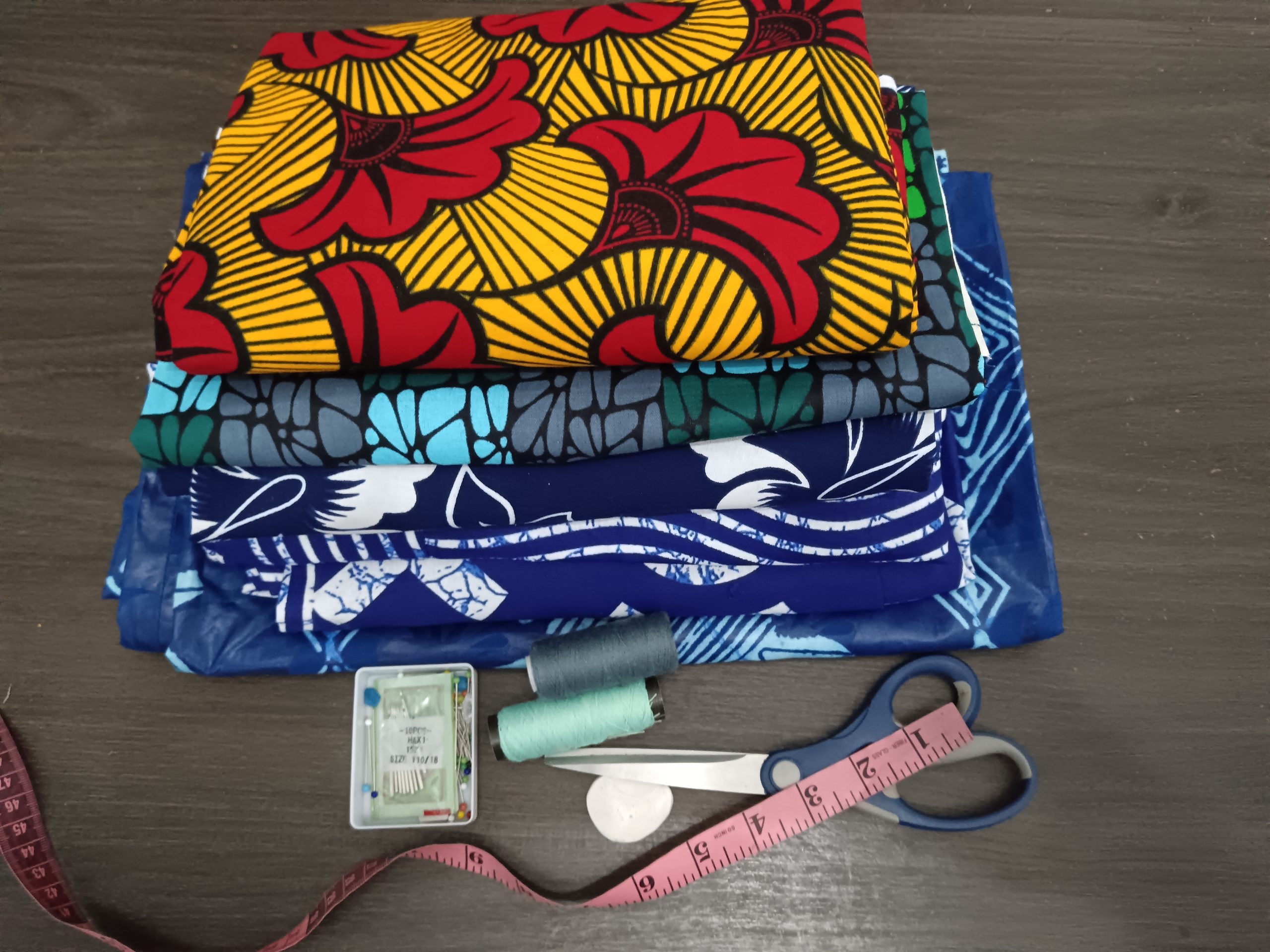
Sustainable fashion is always associated with buying garments that are made from particular materials or promoting brands that make environmental commitments. These choices are important, but caring for clothes deserves a place in the conversation too.
When a garment is repaired, we give it another chance to be used. We avoid replacing it when we alter a garment to fit. We give another life to our garment when we pass it to another person; we allow its useful life to continue.
These processes are not all the same: With repair, we fix a damaged item; mending changes its fit or form, and reusing gives a garment another period of life, oftentimes with a new owner.
Together, they can support keeping clothing in circulation, cutting down the need to discard and unnecessarily replace garments.
We also need to consider the cultural dimension. Clothes can hold family celebration memories, personal milestones and relationships. Some fabric can be valuable because of the person who designed it, the occasion that it is used for or the memories behind it.
For those who work with textiles, we are reminded that clothing has a life apart from the time of purchase
Garment story does not have to end because the original owner stops wearing it.
From everyday practice to documented knowledge
I am developing Ann-Aniedi Asikpo Studio and DECODE Africa; I have become increasingly interested in the everyday knowledge behind African textile and clothing practices.
DECODE Africa is a platform that I am developing for cultural documentation storytelling, beginning with African heritage textiles and the community, craft, and the histories connected to them.
The itinerant tailor provides another important subject for further exploration.
What can we learn from these itinerant cloth repairers in our community, people who have repaired clothes in our communities for years? How did they acquire their skills? How have their tools, customers and working conditions changed? What happens to their craft and practices as clothing consumption and fashion change over the years?
It is worth exploring the answers through interviews, photography, research and conversations with practitioners themselves.
Documenting these stories is important, as it would not simply preserve an image of a man carrying a sewing machine. It could help record a form of practical knowledge, recognise the people who have provided the service for decades and create a resource for future conversations about repair, livelihoods and sustainable clothing practices.
The first thing to do is listen. The itinerant tailor should be able to explain his experiences in his own words, and their knowledge should be preserved and represented accurately and respectfully.
What should the future of fashion learn from this?
This write-up is not suggesting that we return to the past or assume that every traditional practice should remain unchanged.
Our point is that innovation becomes more meaningful when it is informed by existing practices.
Having more people repair their clothes means we should consider the affordability, accessibility, and convenience of repair.
Similarly, if we want garments to be in use longer, we should recognise the skills of the people who repair and alter them.
Building a more circular fashion system means paying attention to the social and economic conditions that allow repair and reuse to work in practice.
With global sustainability, we should make room for knowledge that has developed outside the institutions and industries that currently dominate the conversation.
The itinerant tailor’s clicking scissors is a reminder that sustainable practices do not always come with a new name, a funding announcement or a technology launch.
Sometimes, they arrive at your gate.
Sometimes, they have been with us for years.
Perhaps what we have to do is to listen, document and learn.
I would love to hear your story.
Did you grow up seeing a local tailor who came to your home?
Were clothes repaired, altered or passed down in your family?
What other practices from your community help people make things last?
Share your memories and perspectives. These everyday experiences deserve to be part of the wider conversation about clothing, culture and sustainability.
Ann-Aniedi Asikpo is a Nigerian creative practitioner and multimedia public relations strategist based in Stockton-on-Tees, UK. Through Ann-Aniedi Asikpo Studio and the developing DECODE Africa initiative, she explores African textile heritage, cultural documentation, education and more sustainable creative practices.
Further reading: The Ellen MacArthur Foundation’s overview of the circular economy in fashion explains why durability, repair, reuse and keeping textiles in use matter to a circular system.