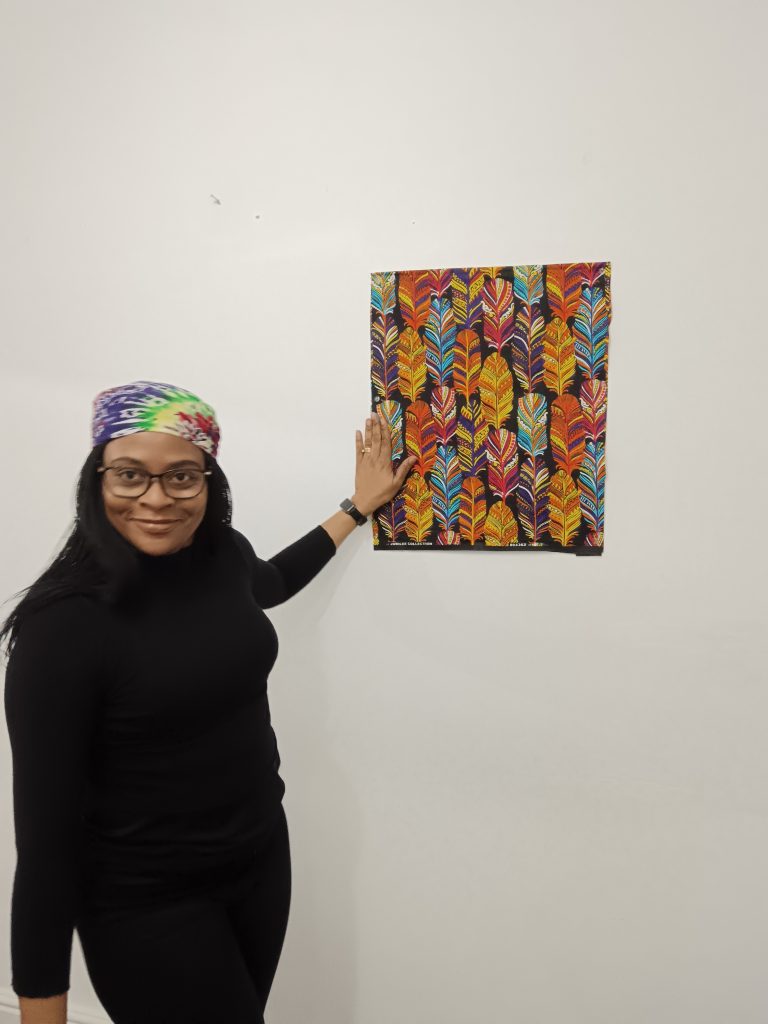
There is an Igbo word I want you to hold while you read this.
NKEM. It means mine. The thing that belongs to you not borrowed, not imitated, not inspired by something else. Simply and completely yours.
My fashion group at Teesside University created a design label with that name. And I have been meaning to write about it properly ever since I launched this studio because the NKEM experience is not just a student memory. It is the moment I understood what I was for.
Exit to Industry the module that made everything real .
During my studies at Teesside University’s School of Arts and Creative Industries, one of my modules was called Exit to Industry. It was the module that moved us out of the academic world and into actual creative commerce.
Our fashion group did not just design garments for a grade. We created a collective design label — a real brand with a real identity — and we operated within the Teesside-made Marketplace.
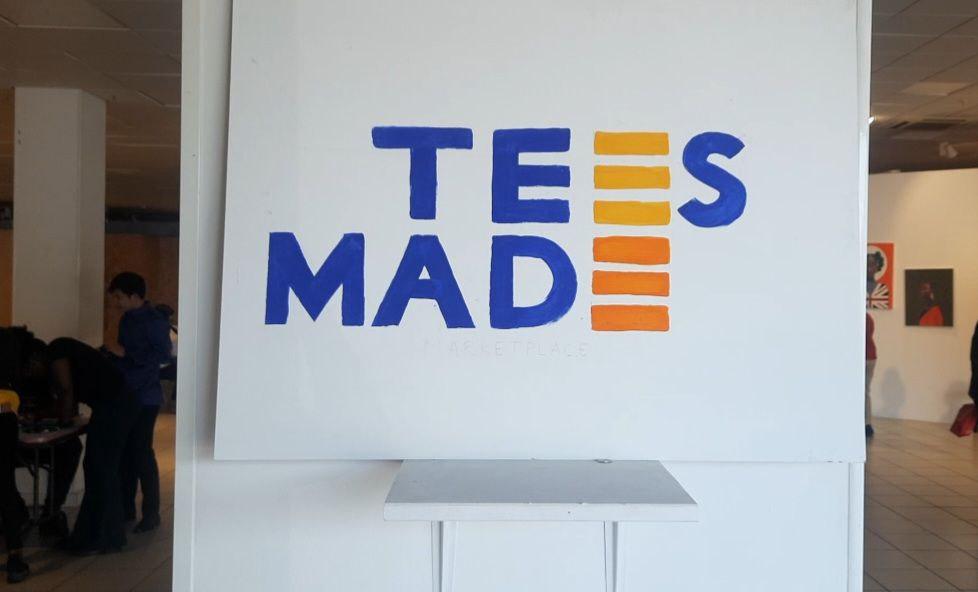
Teesside-made is a platform celebrating creative work made right here in Teesside, connecting makers with genuine audiences and real buyers. Being part of it meant our work had to stand up not just academically but commercially.
Our group’s label was NKEM.
How the label worked.
Within the NKEM label.
Each member of the group had a specific design responsibility. Our collective vision was African heritage textiles in contemporary form. Ankara as everyday clothing, not costume or occasion-wear only.
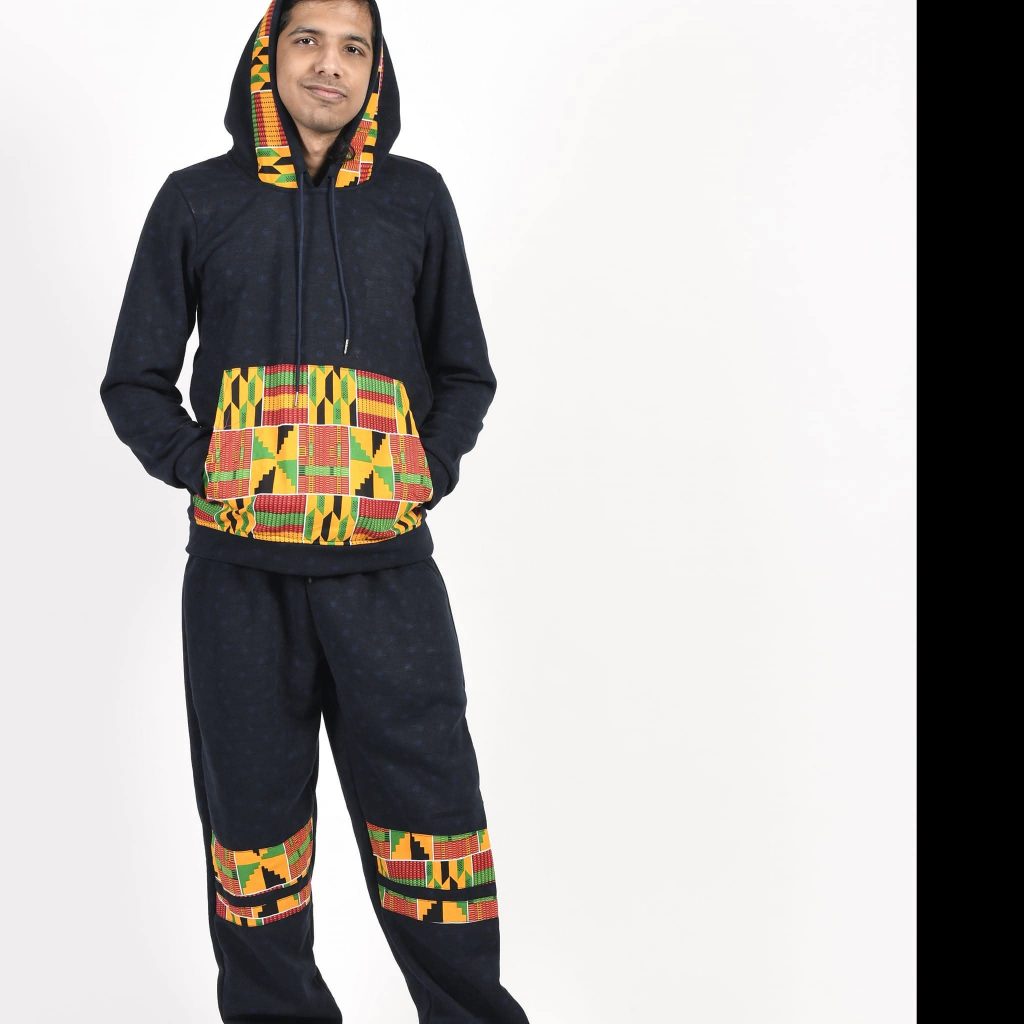
My specific contribution was the men’s contemporary clothing range designed for real men, for real everyday life, for ages 18 to 50.
Other members of our group designed the women’s clothing under the same NKEM label. Together we created a complete collection men’s and women’s that showed Ankara in full contemporary range.
What I designed
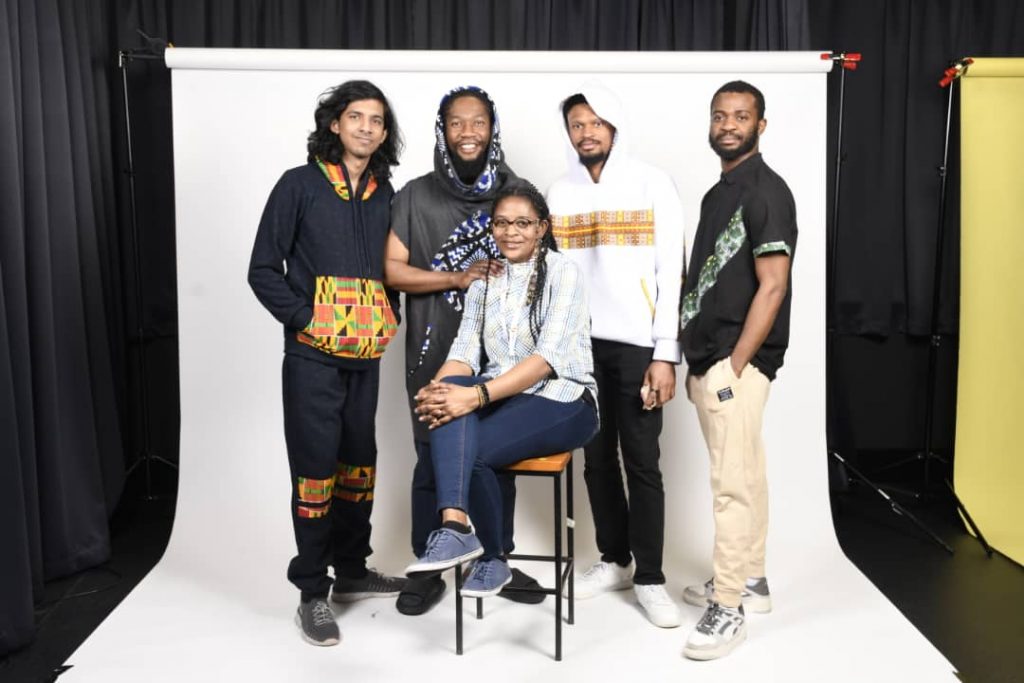
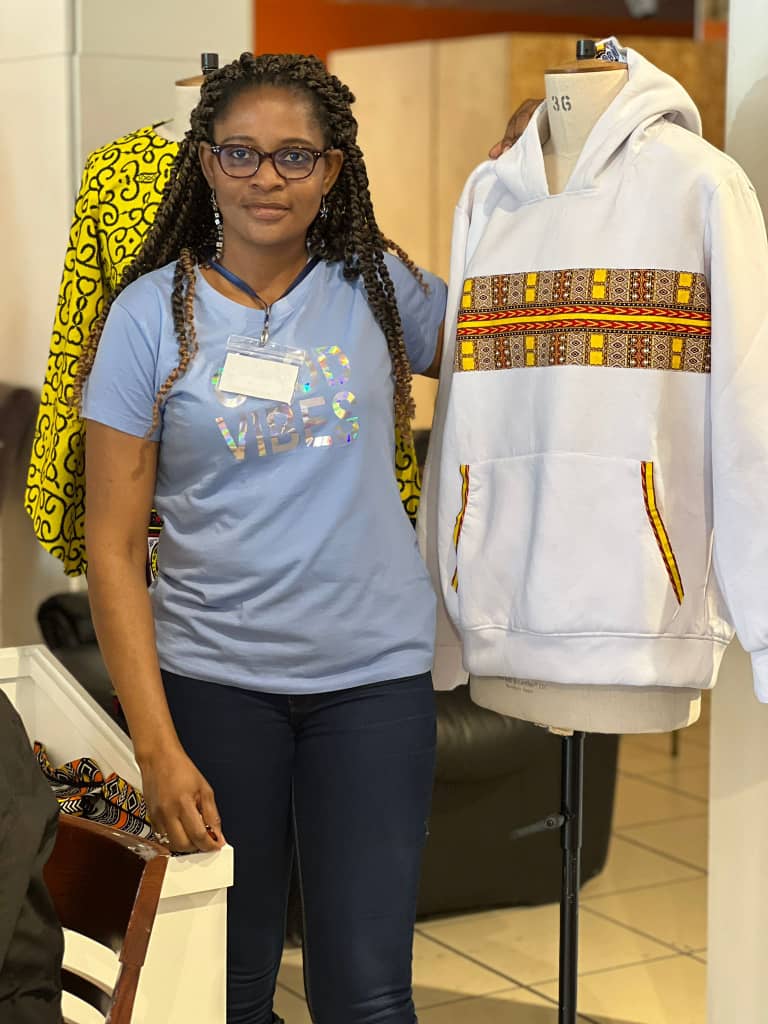
My men’s range within NKEM included hoodies, co-ordinated sets tops and bottoms designed together as complete outfits and everyday pieces built for how contemporary men actually live and dress.
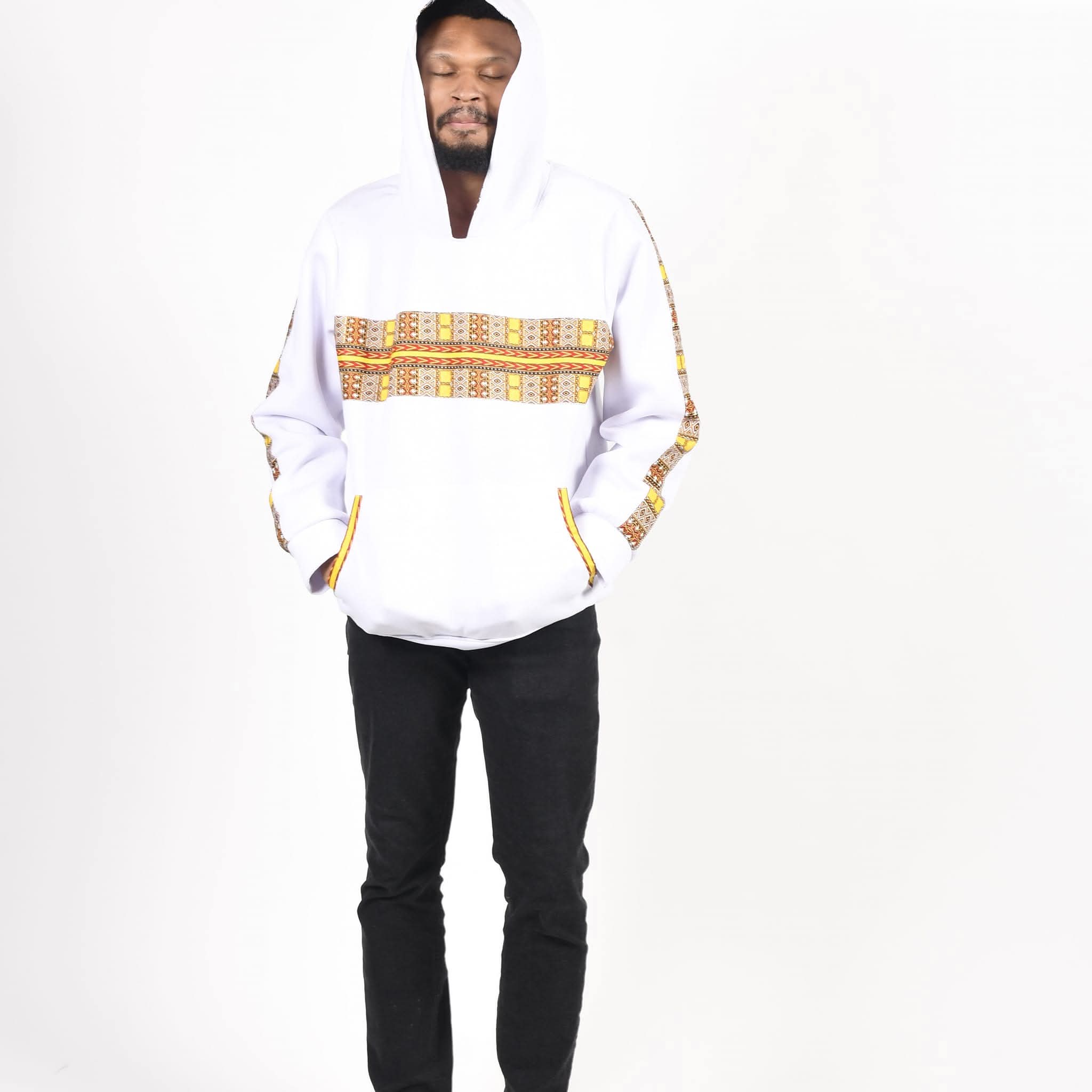
The design approach was deliberate: Ankara fabric infused with plain fabric. Not head-to-toe print which can feel overwhelming for someone encountering heritage textiles for the first time but Ankara panels and details combined with clean plain fabric in complementary colours.
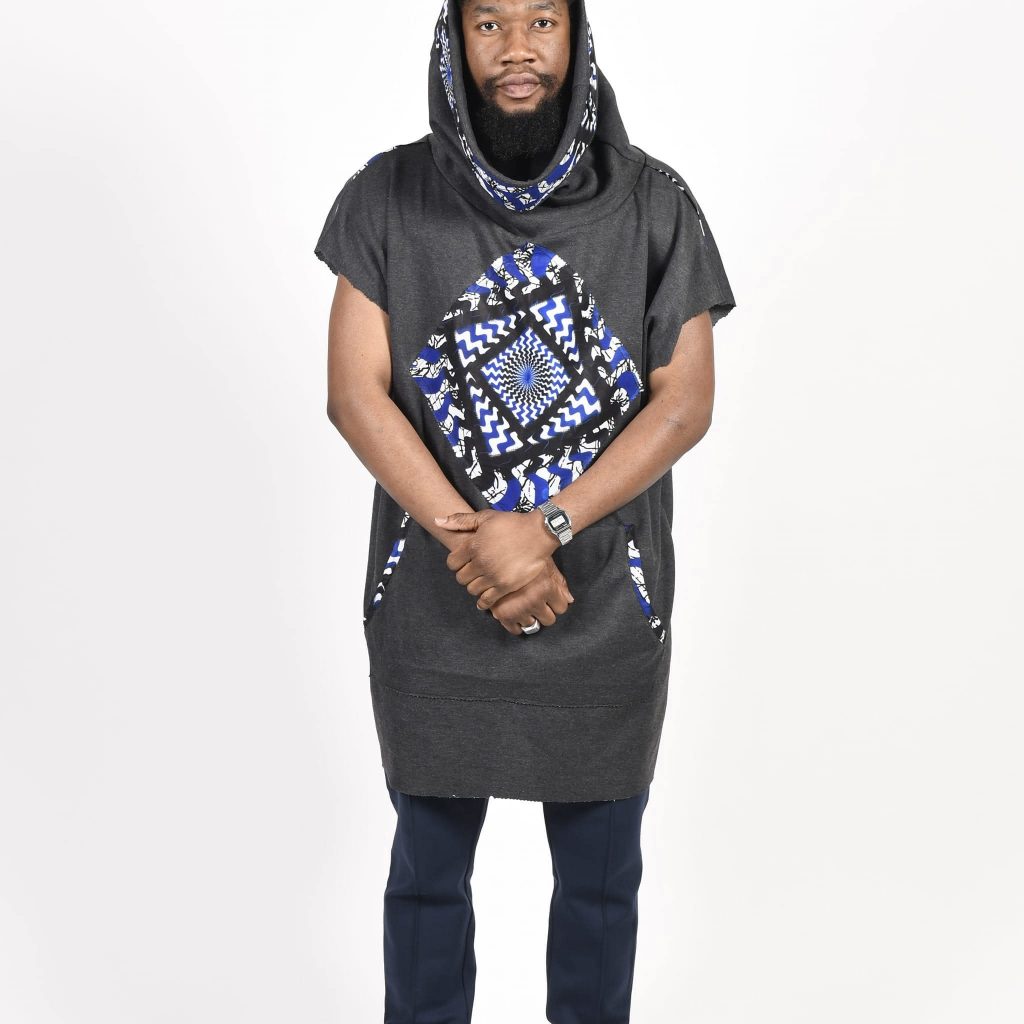
The plain fabric grounded the pattern. The Ankara gave it meaning. Together they created something that felt modern and culturally confident simultaneously.
Why the group chose NKEM.
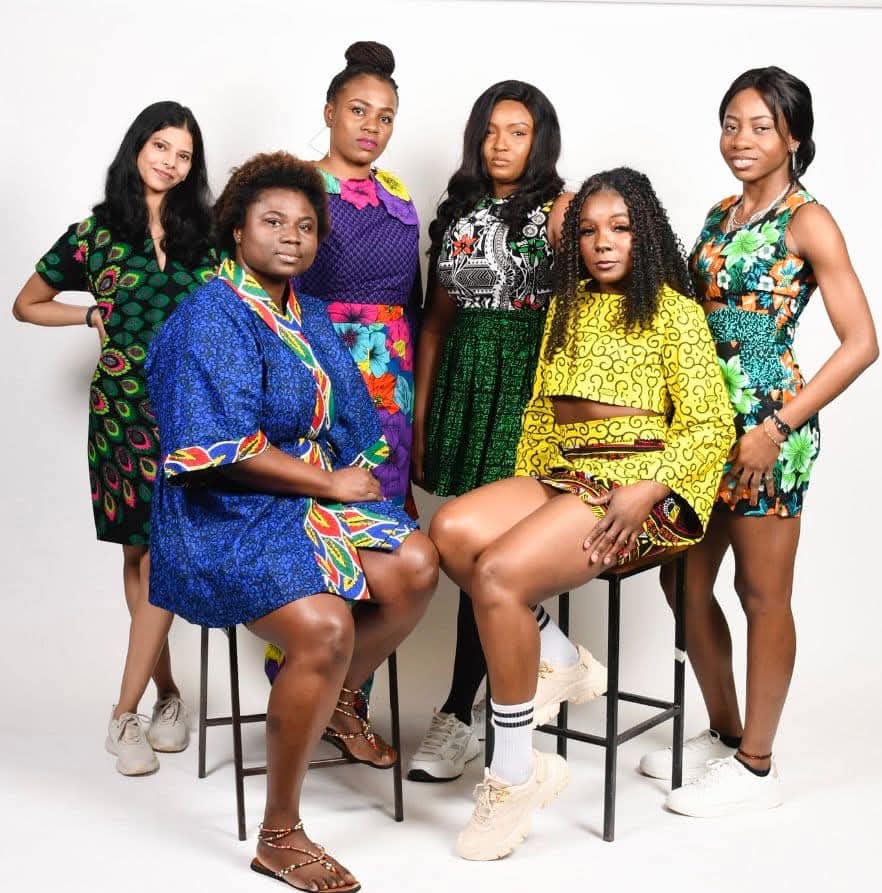
NKEM mine was the right name for what we were building together.
Because that is what these fabrics are to every one of us who grew up with them. Ankara is not a trend we discovered. It is not an aesthetic we adopted. It is ours. It belongs to our heritage, our childhoods, the women we watched work with it, the occasions it has marked across our lives.
When we put that fabric on contemporary bodies in hoodies and co-ords designed for everyday life in Middlesbrough, in Stockton, across the North East — we were making a collective statement. African heritage fabric belongs on contemporary bodies, in contemporary contexts, living contemporary lives.
Pineapple Black, Middlesbrough.
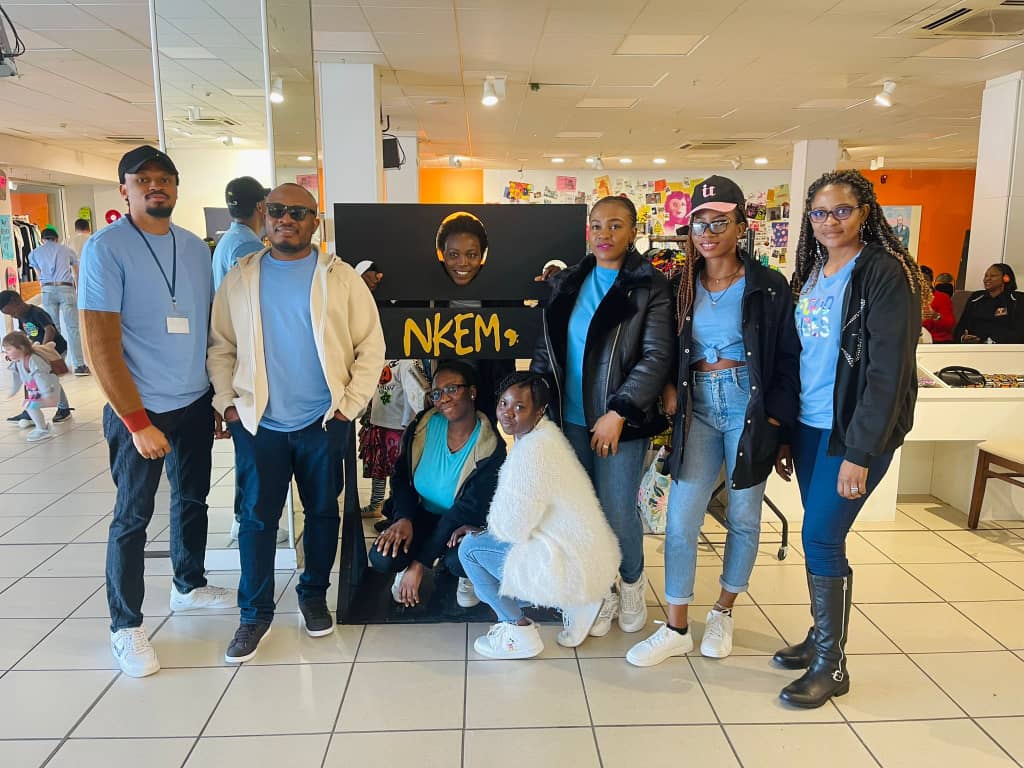
The NKEM collection was exhibited publicly at Pineapple Black in Middlesbrough.
The full group’s designs were shown together my men’s pieces alongside the women’s designs created by the rest of the group. A complete label. A real exhibition.A real audience.
People came. People stopped. People asked questions.
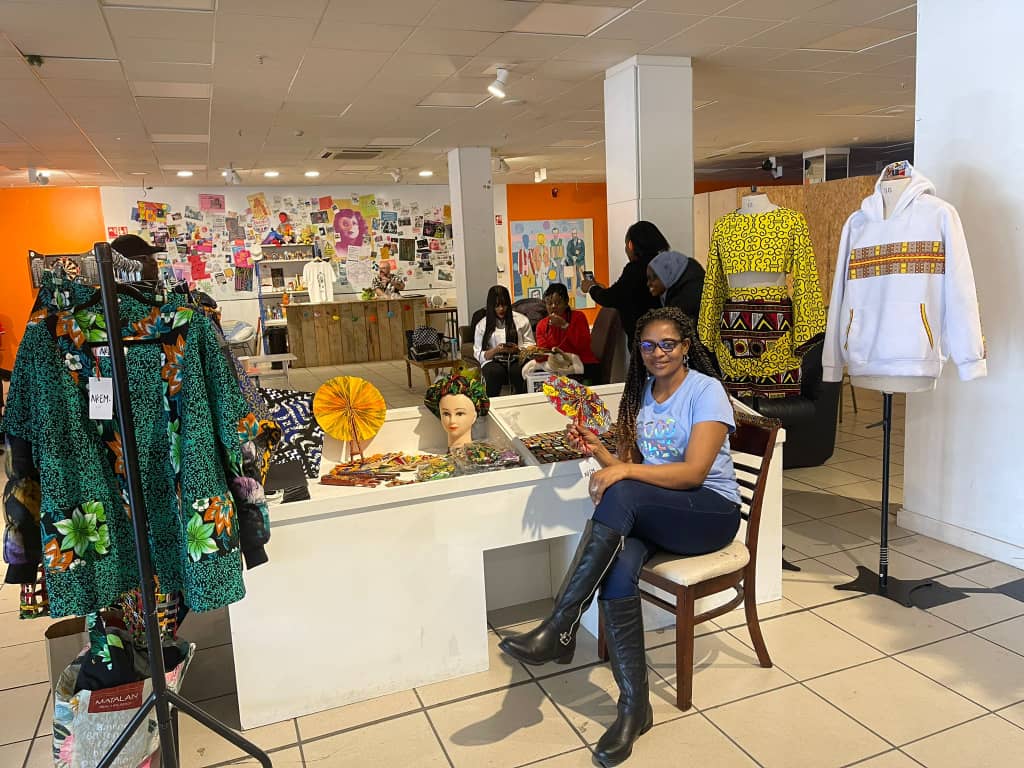
And some people bought. Several pieces from the men’s range I designed sold at the exhibition. Men and women buying for the men in their lives who saw the Ankara-infused hoodies and co-ords and wanted to own and wear them. Not admire them from a distance. Own them.
That moment watching North East England audiences respond to African heritage textile design with genuine curiosity and real commercial interest is the foundation everything at Ann-Aniedi Asikpo Studio is built on.
What NKEM gave me.
Three things from that group label experience that I carry into every garment I make now.
First: designing within a group label taught me that African heritage textiles work at every level — men’s and women’s, formal and everyday, worn together as a complete wardrobe. NKEM proved that.
Second: the Teessidemade Marketplace experience confirmed that professional creative commerce and cultural heritage are not in tension. They are the same work, done with integrity.
Third: the men’s market for African heritage textile design in the UK is real, underserved, and ready. The sales at Pineapple Black proved it.
Ann-Aniedi Asikpo Studio is built on all three of those lessons.
#NKEM #TeessidemadeMarketplace #ExitToIndustry #Ankara #AnkaraMenswear #DecodeAfrica #weaveyourstory #TeessideUniversity #SACI #PineappleBlack #Middlesbrough #AfricanFashion #NorthEastEngland
Ann-Aniedi Asikpo