By Ann-Aniedi Asikpo (MA, MCIPR)
Published: Thursday, 25 June 2026
In the months since I established Ann-Aniedi Asikpo Studio and began writing about the material literacy of West African textiles, the public relations metrics have been deeply encouraging . But beyond the numbers and the data tracking, the comments and private notes that have moved me most have come directly from the diaspora community.
When I share these fabric analyses, I am not merely providing historical data. I am opening a space for long-held memories.
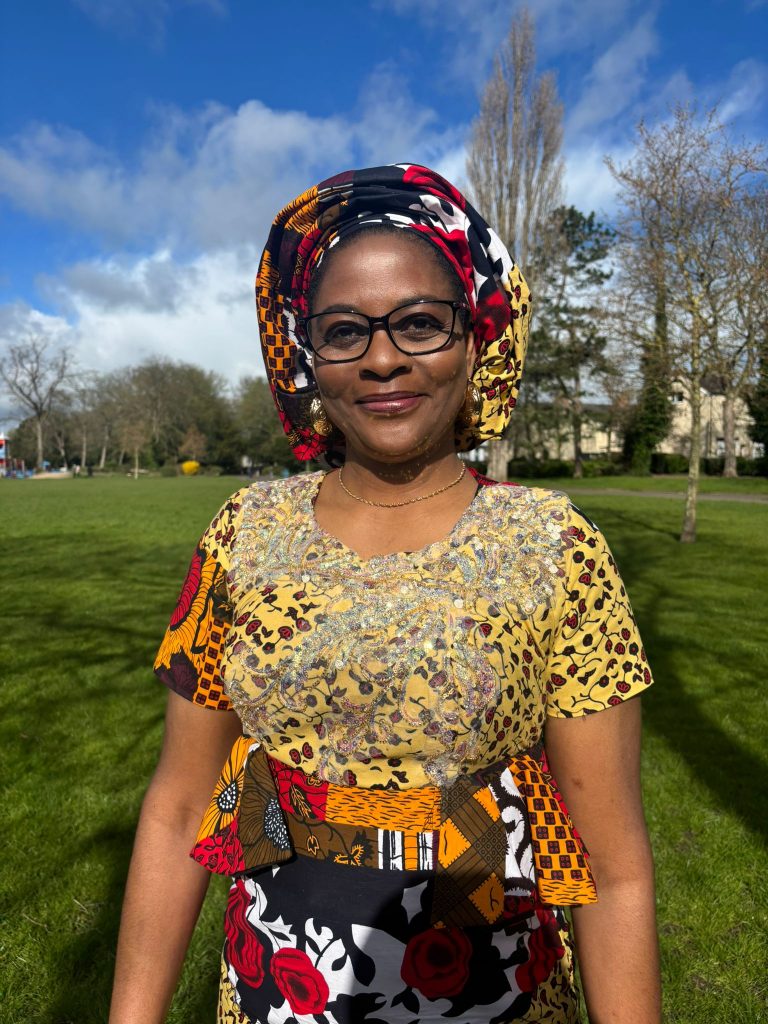
To carry traditional African heritage textiles into the diaspora is not an aesthetic whim or a passing fashion trend. It is a profound, active preservation of identity. When you are thousands of miles away from home, these fabrics become physical, tangible anchors. They are literal structural threads connecting families across generations to a homeland they may have left behind or, in the case of our children, a land they may never have physically lived in.
This week, I want to step back from corporate reporting to share the powerful, living archive of the textile stories you have shared with me.
The Grandmother’s Cardboard Box in Middlesbrough
A few weeks ago, a reader in Middlesbrough opened up to me about a heavy cardboard box her family brought from Nigeria decades ago.
Inside, neat geometric stacks rest in the dim North East light: tightly folded, stiff Aso-oke, vibrant wax-print Ankara, and structural silk headwraps. She lifts each piece slowly, pressing the weight of the weave into her palms for a brief moment before folding it back exactly as it was. Her daughter stands by the table, watching silently.
When she read my digital pattern notes on Aso-oke, she wept . She told me she finally understood the exact linguistic naming codes behind the cloth her grandmother cherished. The fabric was no longer just old clothes in a box; it was an unbroken historical record of her lineage.
Naming Ceremonies in Newcastle and Kente at Graduation
Other readers have sent perfect, sensory descriptions from across the region. A member of our community in Newcastle detailed the precise stiffness and metallic gleam of the specialized threads in a garment worn to a naming ceremony thirty years ago , a memory she still carries perfectly in her body today.
Another student messaged me a photograph of himself wearing a traditional hand-woven Kente strip draped over his black graduation gown at a UK university ceremony. He explained that walking across that British stage wearing the cloth of his ancestors transformed a Western academic milestone into an act of absolute cultural sovereignty and family pride.
These fabrics are functioning records. They hold our communal histories alive when mainstream institutional textbooks fail to print our names.
Share Your Story with the Archive
The thread connecting African people to their heritage was stretched across vast oceans, industrial migrations, and multiple generations. But it was never broken .
This studio space is my disciplined attempt to make that thread easier for the global audience to find, read, and respect . Every message you send adds a vital line of data to The Decoder Archive .
I want to hear from you. What does wearing African fabric in the diaspora mean to you? Do you have a specific textile memory tucked away in your home? Let’s keep building this living archive together.
Until next week,
Ann-Aniedi Asikpo
Founder & Creative Director, Ann-Aniedi Asikpo Studio