By Ann-Aniedi Asikpo / February 28, 2026
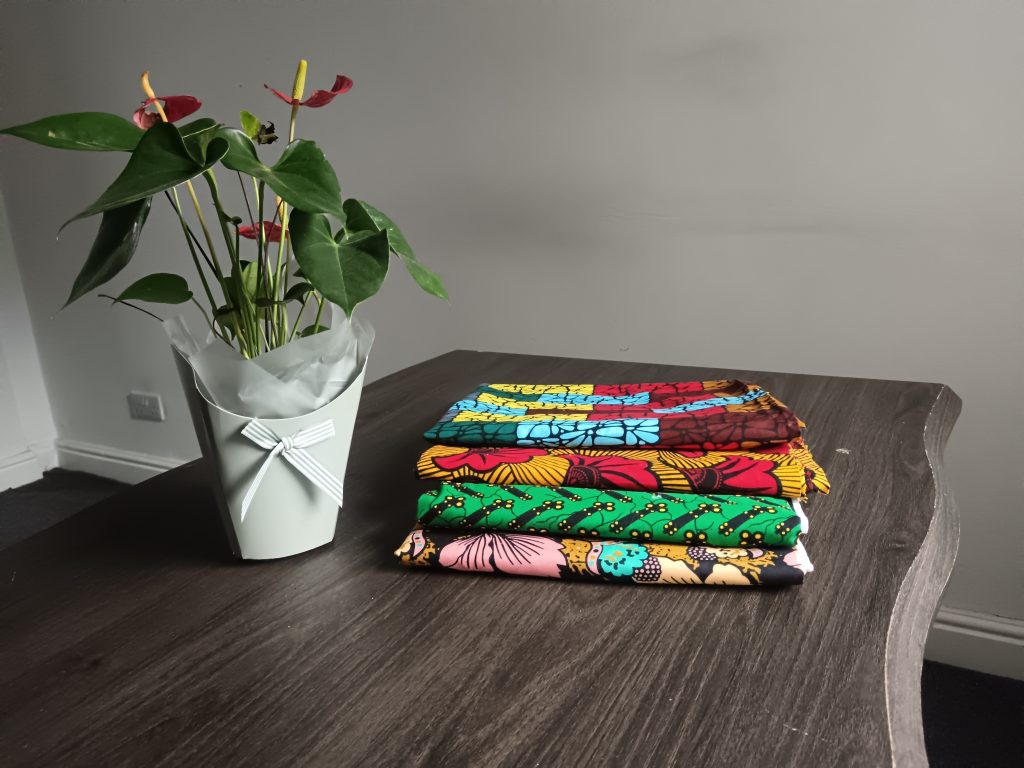
African fabrics are highly visible in global fashion spaces, yet they are often deeply
misunderstood. They appear on runways, in editorials, and within trend cycles, but are
frequently stripped of context, history, and everyday meaning.
This misunderstanding shapes how African textiles are valued, worn, and discussed
internationally.
Visibility Without Understanding
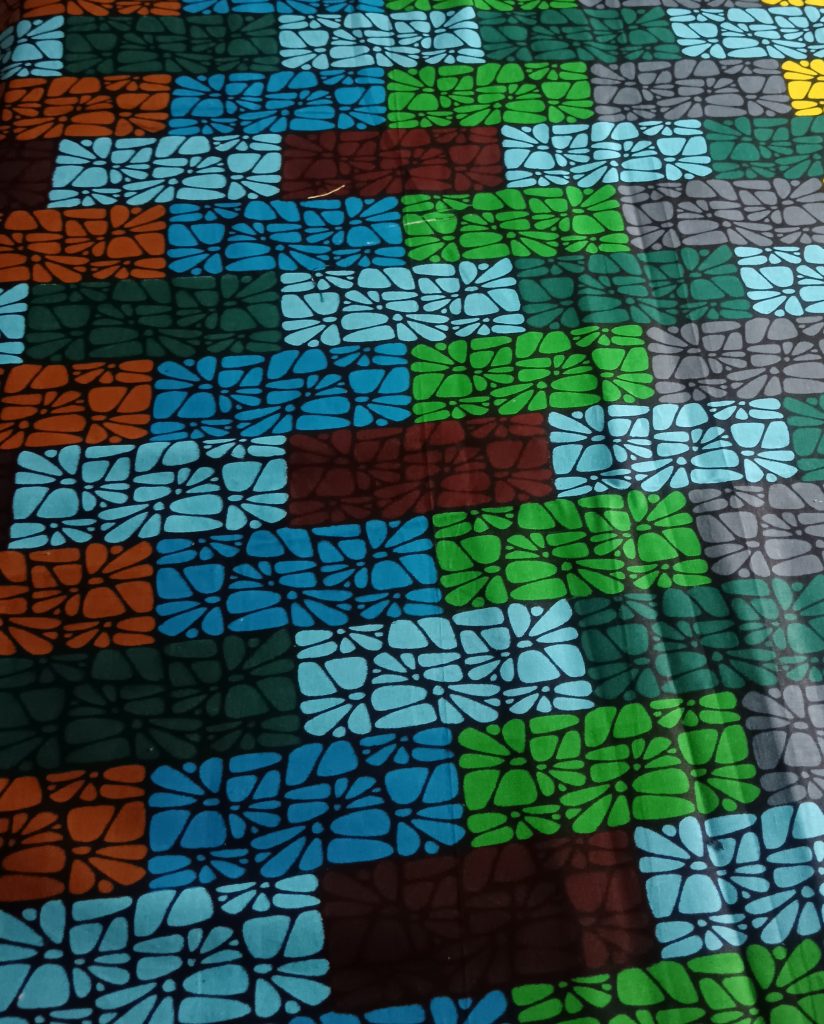
Visibility alone does not guarantee understanding. African fabrics are often presented as
visual symbols rather than cultural materials shaped by use, continuity, and community.
When fabric is removed from its social and cultural context, it becomes easy to categorise it
as novelty or trend.
The Problem With ‘Ethnic Fashion’ Labels
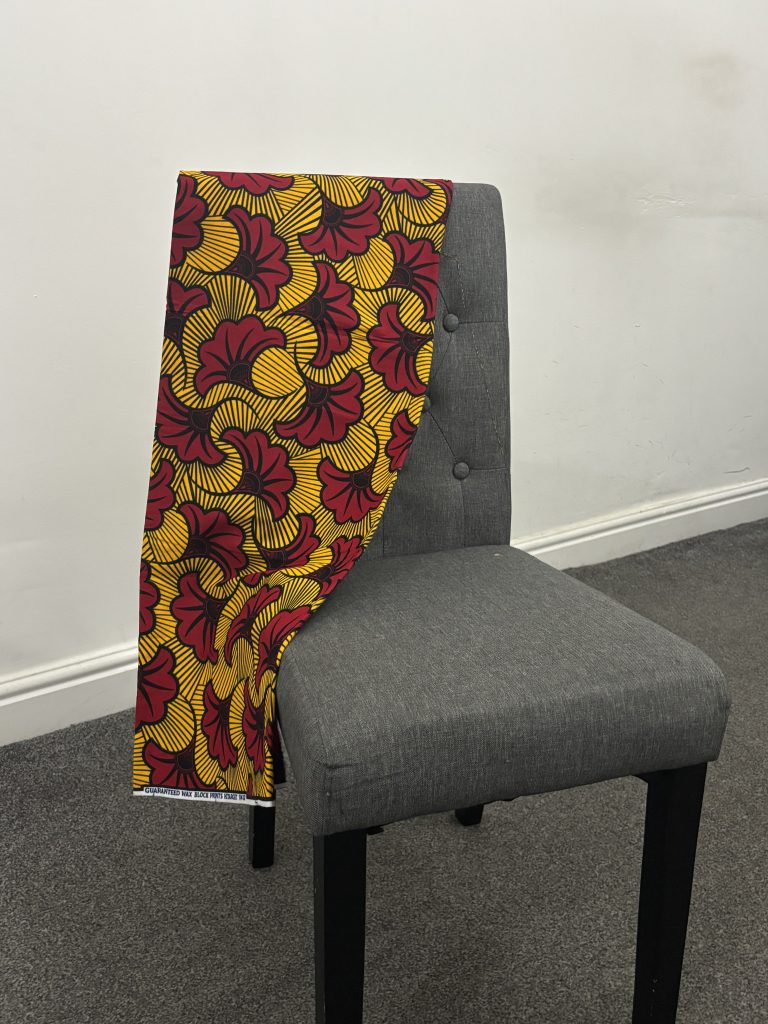
Labels such as ‘ethnic’ or ‘traditional’ often flatten African textiles into fixed identities.
These labels prevent fabrics from being seen as evolving materials capable of adaptation
and reinterpretation.
As a result, African fabrics are rarely positioned as contemporary or innovative within
mainstream fashion systems.
Media, Fashion, and Gatekeeping
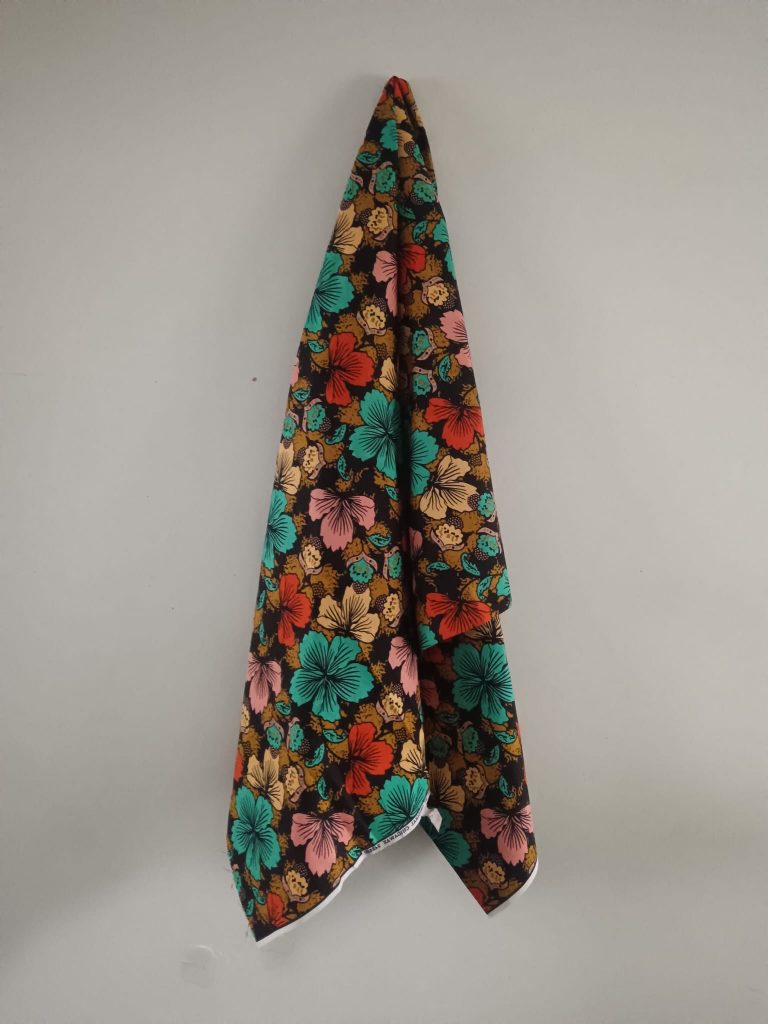
Fashion narratives are shaped by who tells the stories and which voices are prioritised.
Media representation plays a key role in deciding which textiles are framed as modern
innovation and which are framed as cultural artefacts frozen in time.
What Gets Lost
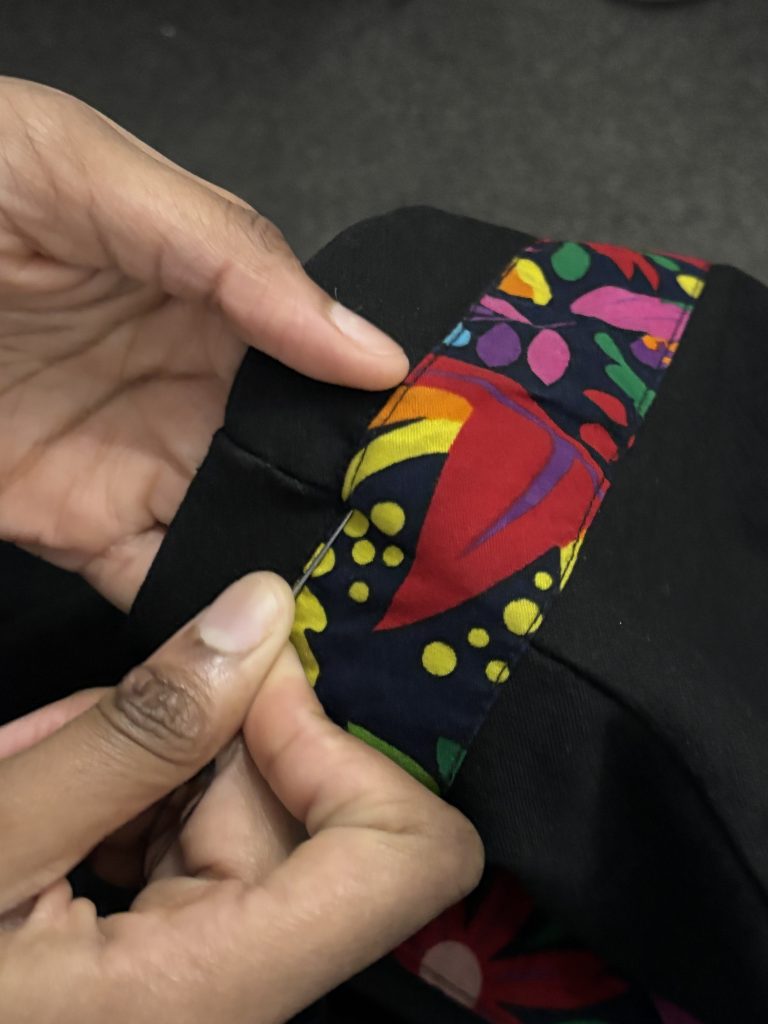
When African fabrics are misunderstood, valuable knowledge is lost , sustainability
practices, craft intelligence, and cultural continuity that could enrich global fashion
conversations.
Rethinking the Narrative
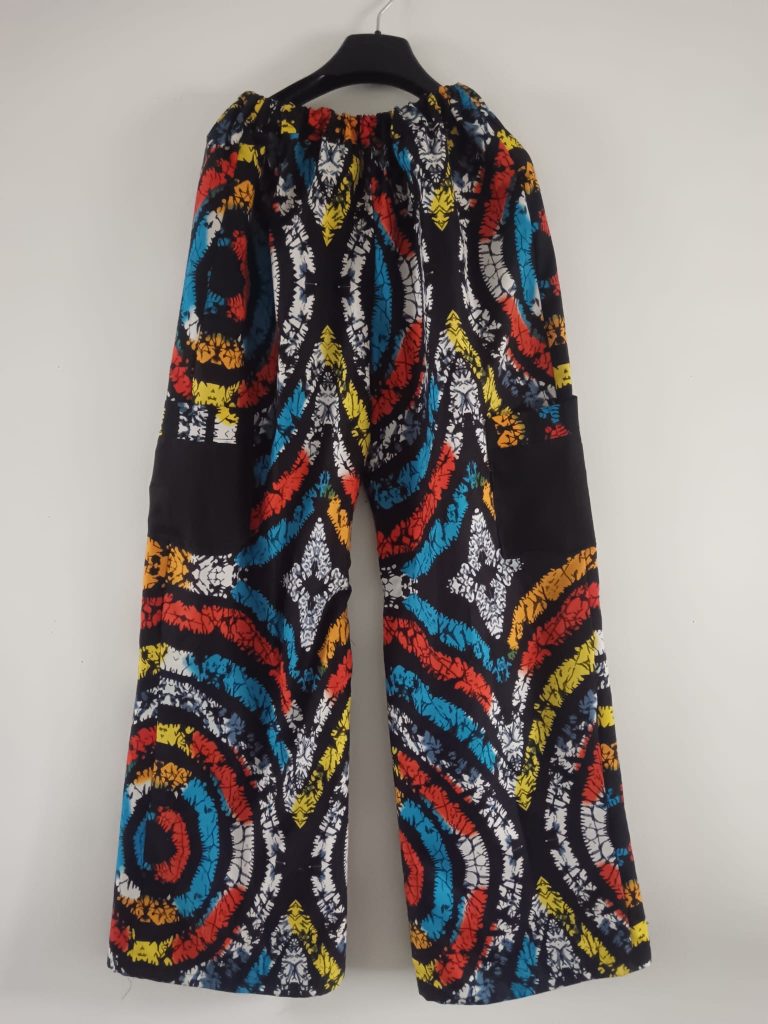
Reframing African textiles requires new storytelling frameworks that acknowledge heritage
while embracing evolution. Through thoughtful communication and cultural awareness,
African fabrics can be recognised as part of a global fashion future.
Closing Reflection
“Understanding African fabrics requires more than visibility. It requires context, care, and storytelling that honours their complexity.
This work continues as part of my broader exploration into culture, sustainability, and how African textiles like Ankara , can be communicated as contemporary materials in global fashion.
In my next post, I will share a simple framework for how we can reframe African fabrics without reducing them to trends.”
This article forms part of the ongoing research and storytelling explored through Ann-Aniedi Asikpo Studio, examining African textiles through culture, sustainability, and communication.
Ann-Aniedi Asikpo
Leave a Comment
Logged in as Ann-Aniedi Asikpo. Edit your profile. Log out? Required fields are marked *Type here..
This is such an important conversation Ann-Aniedi. Thanks for sharing. We have to keep having these conversations and amplify our voices. It’s also important that we Africans actively work towards changing and shaping that narrative and encourage self-appreciation. African fabrics are encoded with history and at best, the fashion industry has to be better at acknowledging the communities and cultures they draw from and make them part of the storytelling not just the aesthetics. In fashion education, it is about integrating those narratives as part of the curriculum so that future fashion actors and change makers have been imparted with that knowledge.
Thank you so much for this thoughtful perspective, Genevieve Muwana. I really appreciate it.
I completely agree, especially on the importance of shaping our own narratives and the role of education in how cultural textiles are understood.
This is exactly the kind of conversation I hope to keep building through my work.